
CONVEYORS/TRANSPORTATION

Bulk material handling systems – versatile solutions for industry
The transportation of bulk materials plays a key role in many industries, such as the timber, grain and milling, food and chemical industries. Efficient systems for transporting these materials make it possible to optimize production processes, reduce operating costs and minimize material losses. Depending on the characteristics of the substances to be transported, different transport technologies are used, such as pneumatic or mechanical transport, which offer a wide range of solutions tailored to specific requirements.
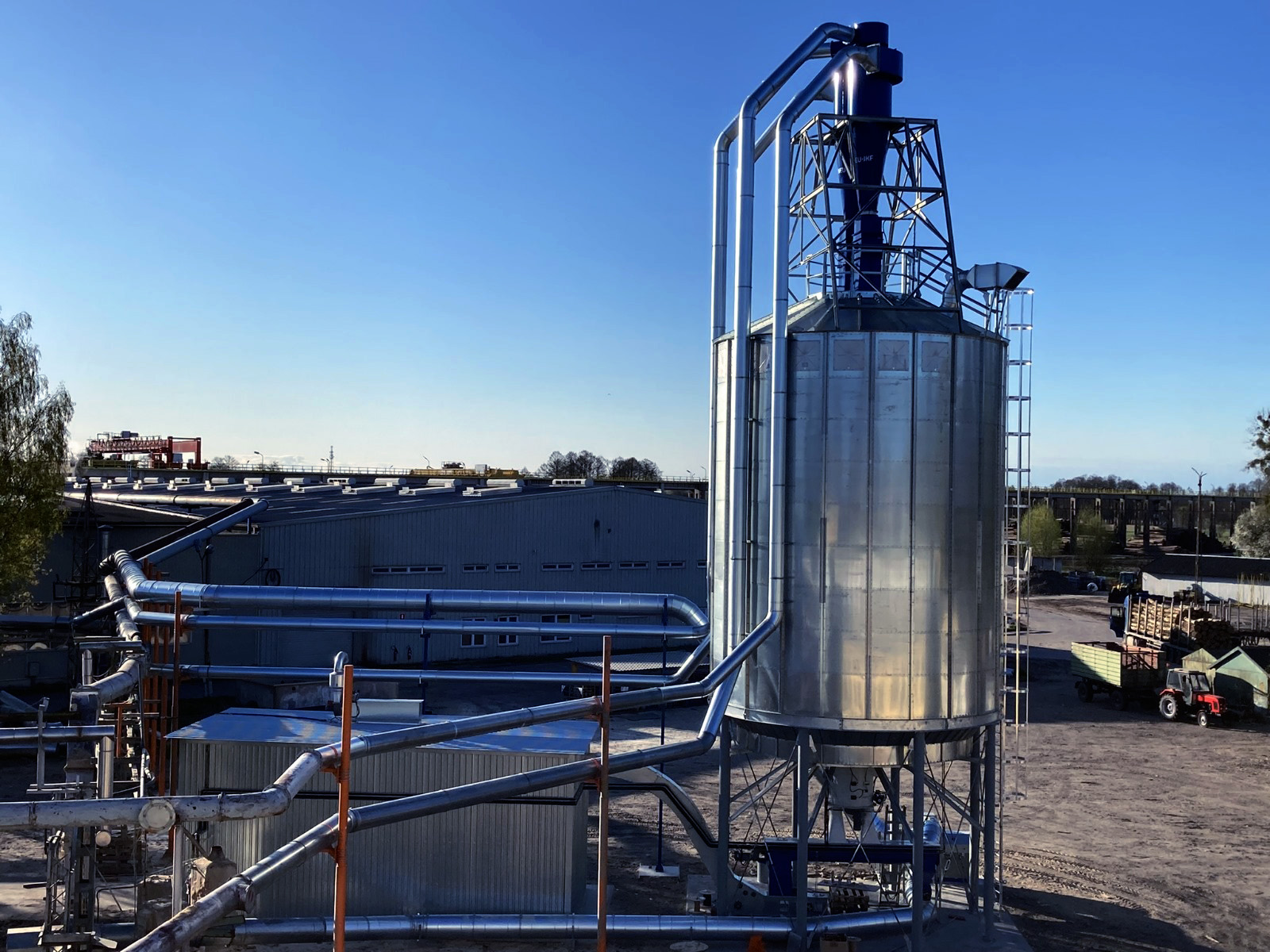
Pneumatic transport
Pneumatic conveying is an advanced technology that uses the flow of air or other gases as a medium to move bulk materials. It is particularly effective for fine-grained substances such as powders, granules and pellets.

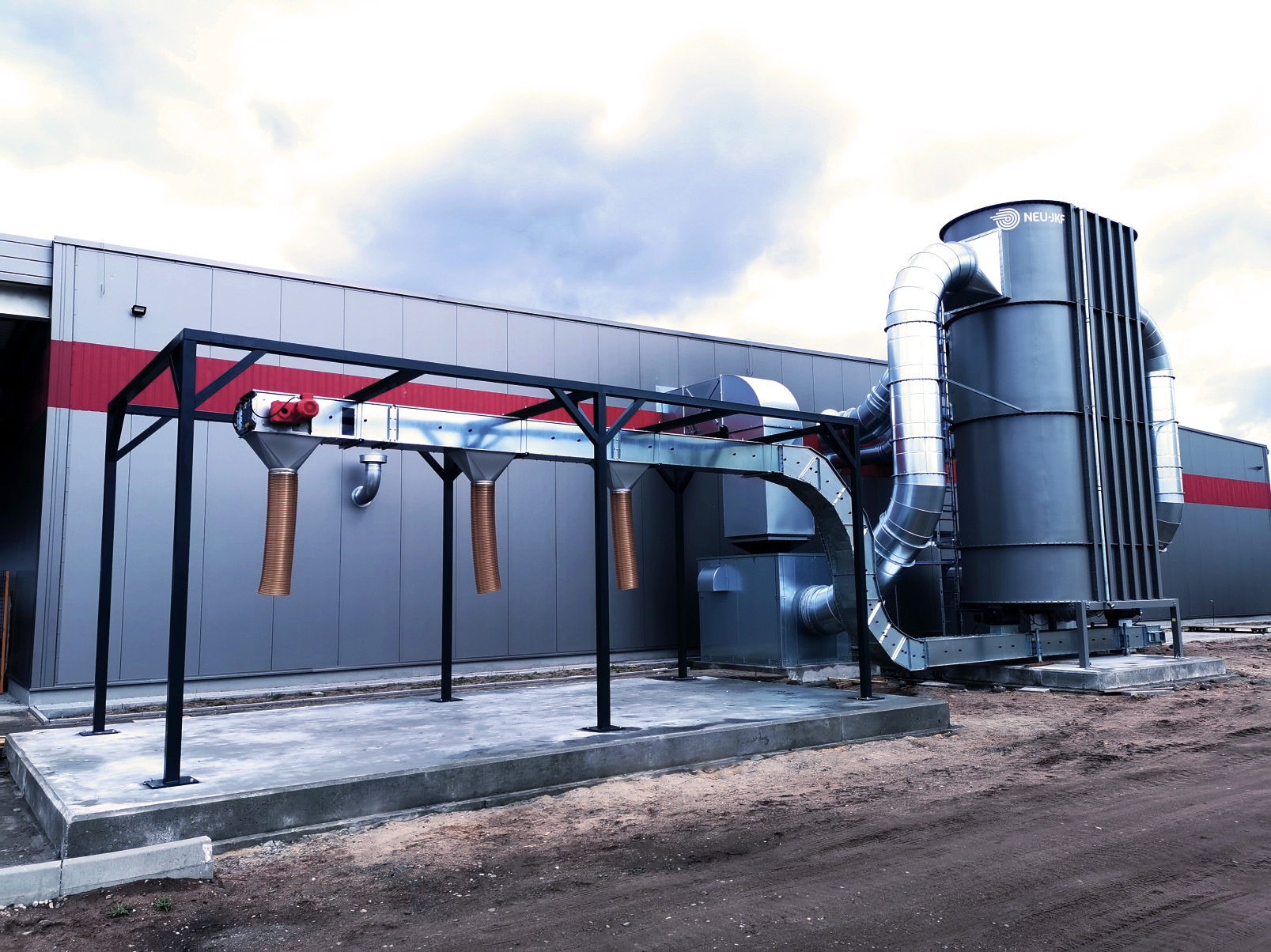
Mechanical transport
Mechanical transport, involving chain conveyors (redlers), is a traditional but still popular method of moving bulk materials over short and medium distances. Redlers are characterized by simple design, high durability and versatility.
Challenges in bulk material transportation
The transportation of bulk materials poses a number of logistical, technical and environmental challenges. Key issues include:

Dust
High dust emissions can lead to environmental pollution and pose health risks to workers.

Material Losses
Inadequate transport systems can cause damage or loss of transported substances.

Energy costs
The high energy intensity of some transportation systems is a challenge, especially in an era of rising energy costs.
To meet these challenges, companies are investing in modern technology, such as dust collection systems, automatic controls and more efficient conveying equipment.
Dust-free transport of bulk materials
One of the key elements of modern bulk material handling systems is minimizing dust emissions. Dust-free technologies, such as sealed conveyors and dust collection systems, not only improve working conditions, but also reduce environmental impact.
Benefits of using dust-free transportation:
⦁ Improved working conditions – Dust elimination reduces the risk of occupational diseases such as pneumoconiosis.
⦁ Savings – Reduction in material losses leads to lower operating costs.
⦁ Regulatory compliance – Dust-free systems help meet stringent environmental standards.