
In the grain and milling industries, dust extraction is not a choice – it is an absolute necessity. Grain dust, while it may seem harmless, is one of the most dangerous dusts in the industry: flammable, explosive, and difficult to control in a dynamic production environment. That’s why modern dust extraction systems, tailored to the specifics of the plant and the risk profile, are a key component of any plant’s infrastructure in this industry.
Where does dust come from in the grain industry?
Sources of dust in grain plants are many and varied.
They most often arise during:
– transport of raw materials (belt conveyors, screw conveyors, bucket elevators),
– cleaning and sorting of grains,
– milling in roller mills or beater mills,
– transferring and storage in silos,
– packaging of finished products.
These processes generate significant amounts of fine dust, which is easily airborne and can form explosive mixtures with air. In the case of grain dust, the explosion limits are very low – all it takes is a small concentration of dust and an ignition source for a dangerous explosion to occur.
Grain dust hazards
The grain milling and processing industry has to face serious risks from the presence of dust:
– The risk of explosion – Grain dust is most often classified in explosion class St1, which means a real danger of explosion, and the consequences of an explosion can be catastrophic for people and infrastructure.
/Health risks – Long-term exposure to inhaled organic dust leads to pneumoconiosis, allergies or other respiratory diseases.
– Product contamination – floating dust can settle on machines, in air ducts or in final product packaging, degrading product quality.
– Risk of fire – In addition to explosions, dust easily ignites, increasing the fire risk in the plant.
Industry problems in dust extraction
Although the importance of dust extraction is well known, in practice plants face a number of problems:
– Difficulty in maintaining low dust concentrations in dynamic technological processes.
– High variability of dust quantities depending on the raw material processed and the current capacity of technological lines.
– High energy costs associated with the operation of dust extraction systems.
– Conflict between effective dust extraction and production continuity – downtime associated with filter cleaning can generate losses.
– ATEX requirements – dust extraction systems in hazardous areas must meet stringent safety requirements.
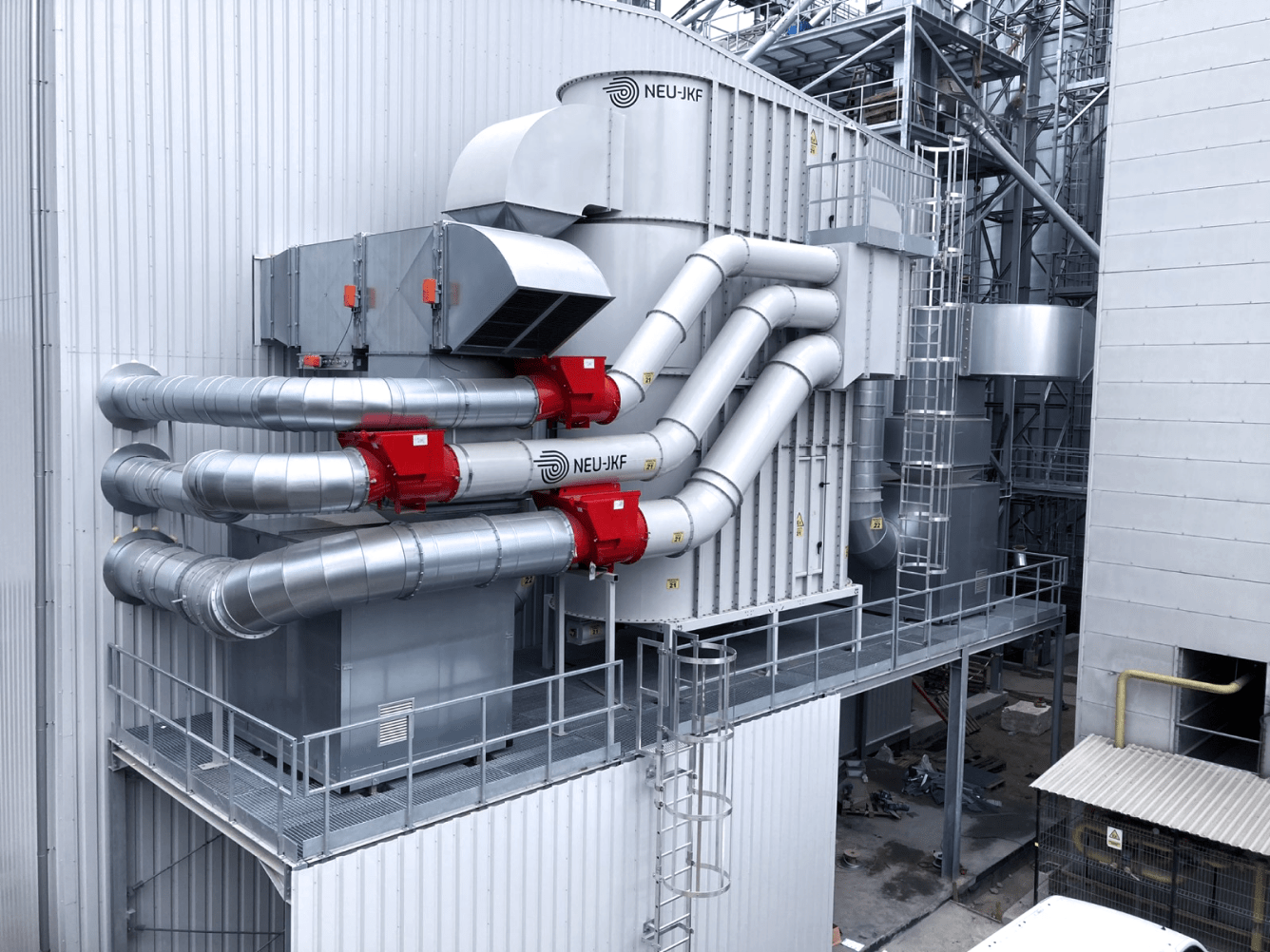
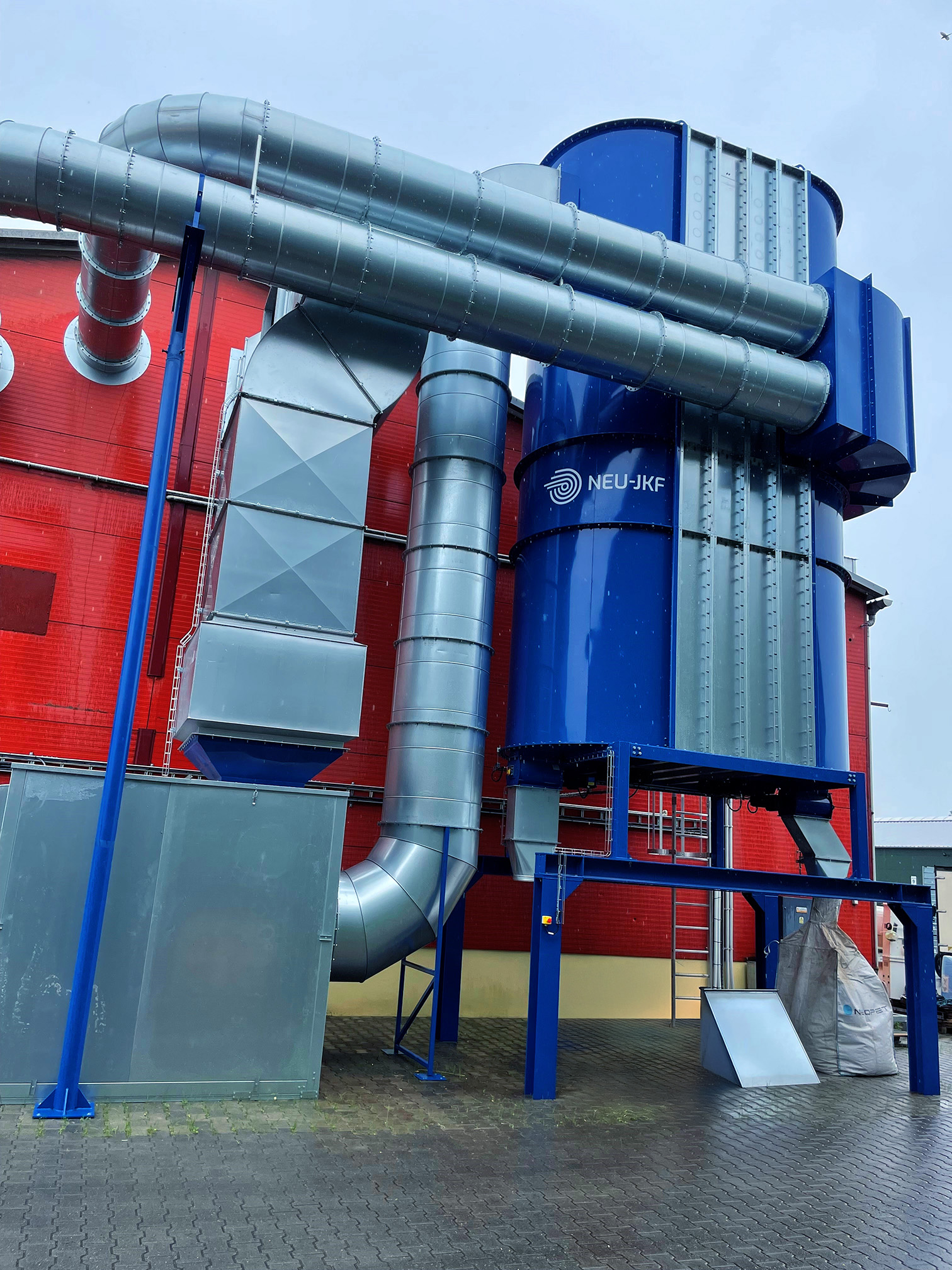
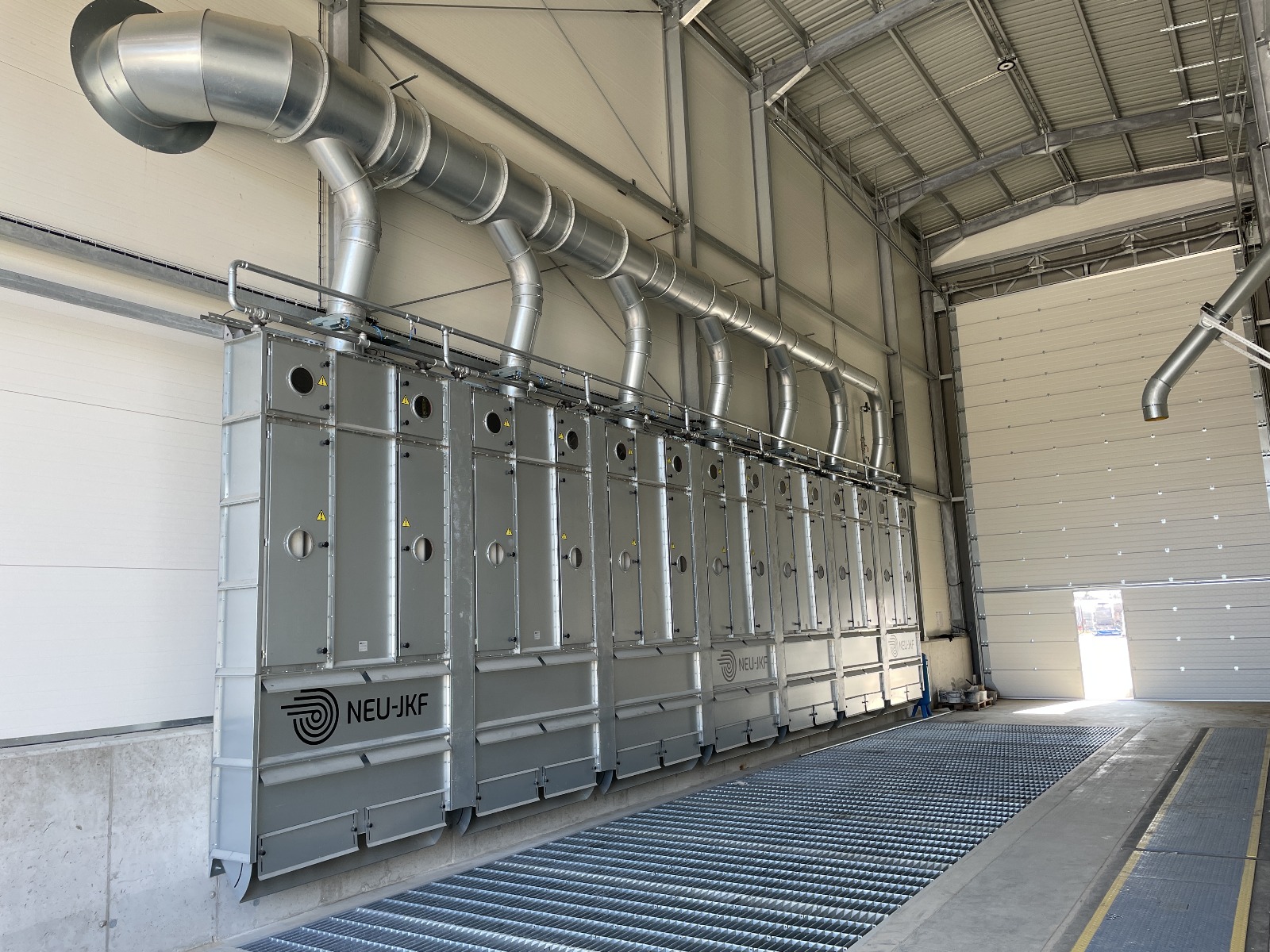
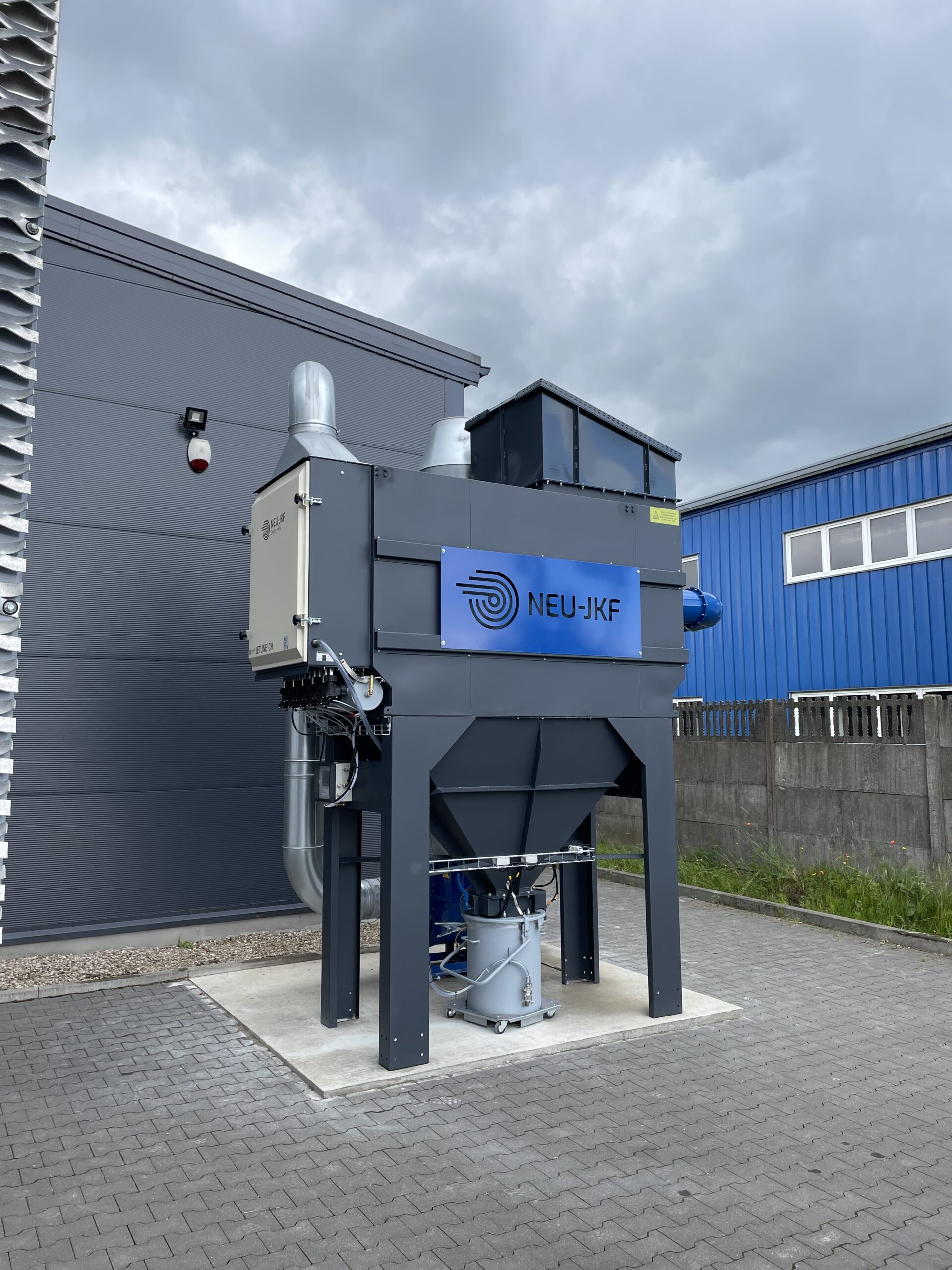
Modern dust extraction from NEU-JKF
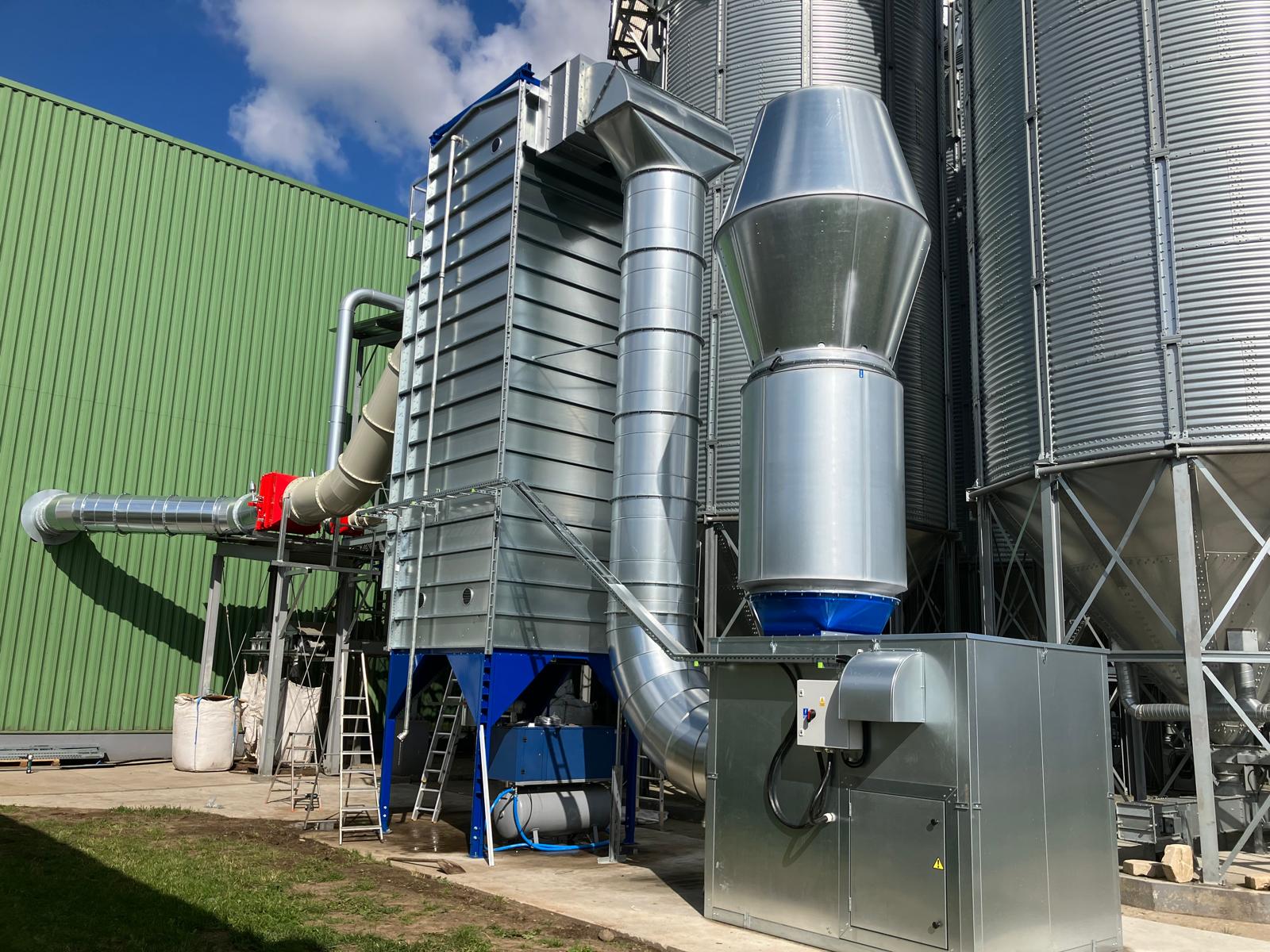
At NEU-JKF, we understand the challenges of the grain industry very well. That’s why we design and supply state-of-the-art dust extraction systems that ensure:
Safety – all our systems are designed in accordance with the ATEX directive, which minimizes the risk of explosions.
Filtration efficiency – we use advanced technologies that guarantee minimum dust concentrations at the outlet.
Reducing operating costs – Our systems, among others equipped with patented Power Pulse® technology, operate efficiently with minimal compressed air consumption, and clean-side fans enable energy savings of up to 30%.
Intelligent control – NESS system allows to monitor and optimize the operation of the entire system, automatically adjusting the parameters of the installation to the current load of the production line. This translates into energy savings of 40-60%.
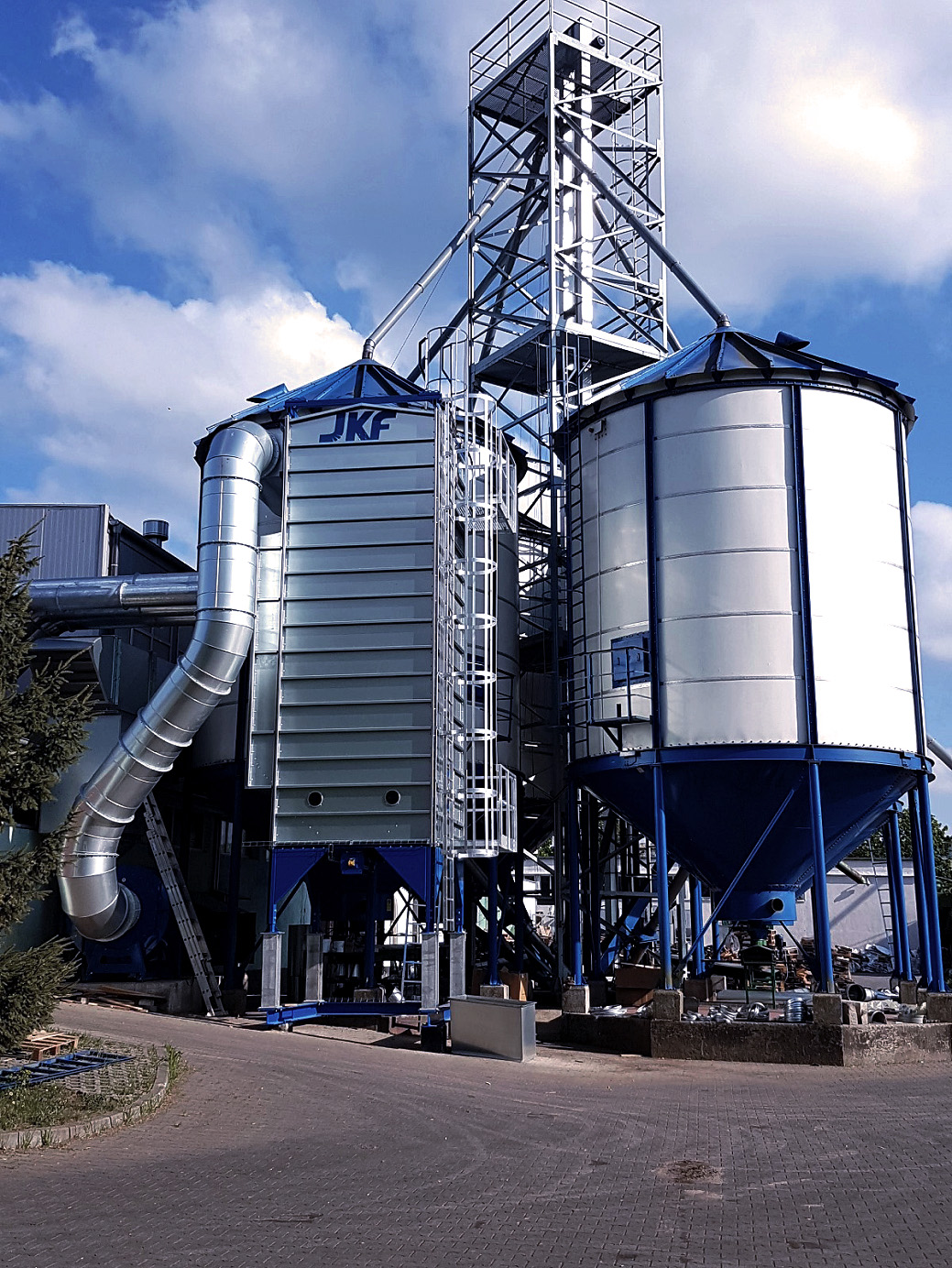
Comprehensive solutions – We offer dust extraction systems for all stages of the process: from conveying lines, cleaning and mill sections, to silos and warehouses.
Dust collection is the foundation of safe and modern production.
Today’s grain industry cannot function without an effective dust extraction system. It is not only a requirement of health and safety regulations or sanitary standards, but also the key to maintaining high product quality, safety of people and infrastructure, and economic efficiency of plants.
At NEU-JKF, we combine experience, innovation and technology to provide our customers with dust extraction solutions tailored to their needs. Because dust extraction in the grain industry is the foundation of safe and sustainable production.