

In designing a dust collection system, it is very easy to focus solely on the efficiency of the system, the number of machines or the required air flow. Meanwhile, in practice, the effectiveness of the entire installation is very often determined not by the efficiency itself, but by the properties of the dust transported. It is these that affect the stability of the system’s operation, the durability of the components, process safety and operating costs.
At NEU-JKF, we repeatedly encounter situations in which seemingly similar technological processes require completely different dust collection solutions. A plant that perfectly handles dry wood dust can very quickly start to have problems when working with wet, heavier or more abrasive dust. That is why we always start the professional design of dust collection systems with an analysis of the material itself and the process conditions.
Dust granulation vs. stability of pneumatic transport
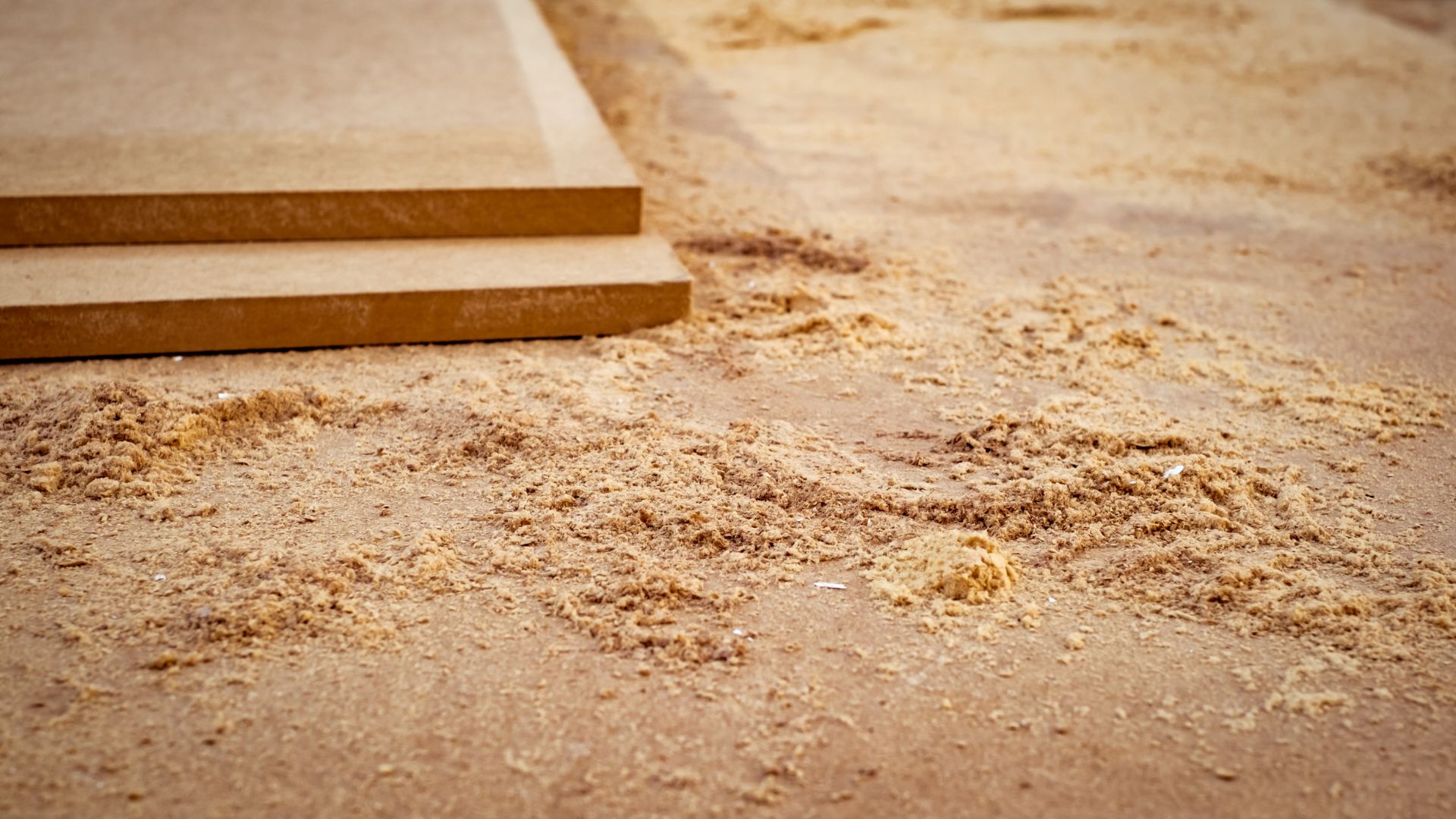
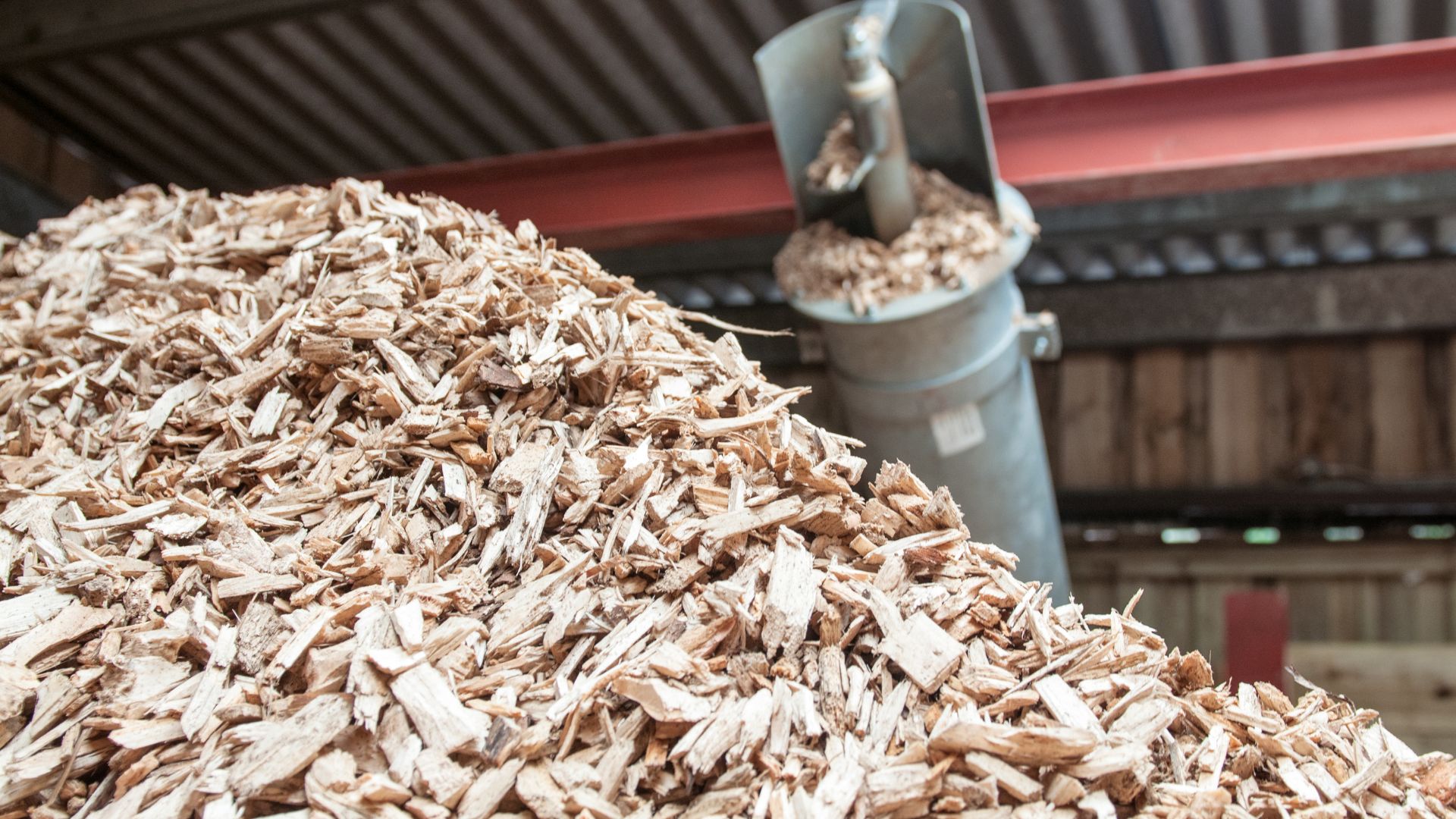
Dust is not a homogeneous medium. Each material behaves differently during pneumatic transport, filtration or storage. The sheer granularity, or particle size, has a huge impact on the performance of the entire system. Fine dust floats easily in the air, requires very effective filtration and can increase flow resistance. In many cases, it also creates explosive atmospheres, which requires consideration of appropriate ATEX safeguards. Larger fractions of material, on the other hand, need higher transport velocities to prevent them from depositing in pipelines. They can also have a much more intense mechanical impact on plant components.
That’s why piping diameters, elbow geometry or fan operating parameters should never be selected based on capacity alone. In practice, even small design errors can lead to:
– material deposition in the system,
– unstable flow,
– decreased dust removal efficiency,
– increased wear and tear on components,
– more frequent production downtime.
Effect of dust humidity on plant operation
One of the most challenging parameters is the moisture content of the dust. Moist material behaves quite differently from dry dust. It tends to stick to the walls of pipelines, form deposits and block the flow. In such cases, classic design solutions often prove insufficient. It may be necessary to increase conveying speeds, limit horizontal sections of the installation or use appropriately selected materials to reduce dust adhesion.
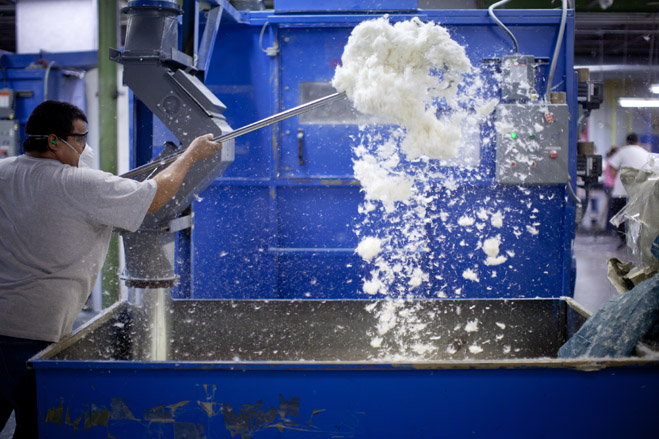

Moisture also directly affects the operation of filters. Material that is too moist can lead to clumping of filter media, deterioration of regeneration efficiency and shortened life of filter media. In practice, this means more frequent service, higher operating costs and the risk of unplanned production downtime. Very often the problem also arises in chute hoppers, where wet dust causes bridging of the material and irregular collection of dust from the hopper. In such situations, proper funnel geometry and the right choice of material collection systems are crucial.
Dust abrasiveness and durability of plant components
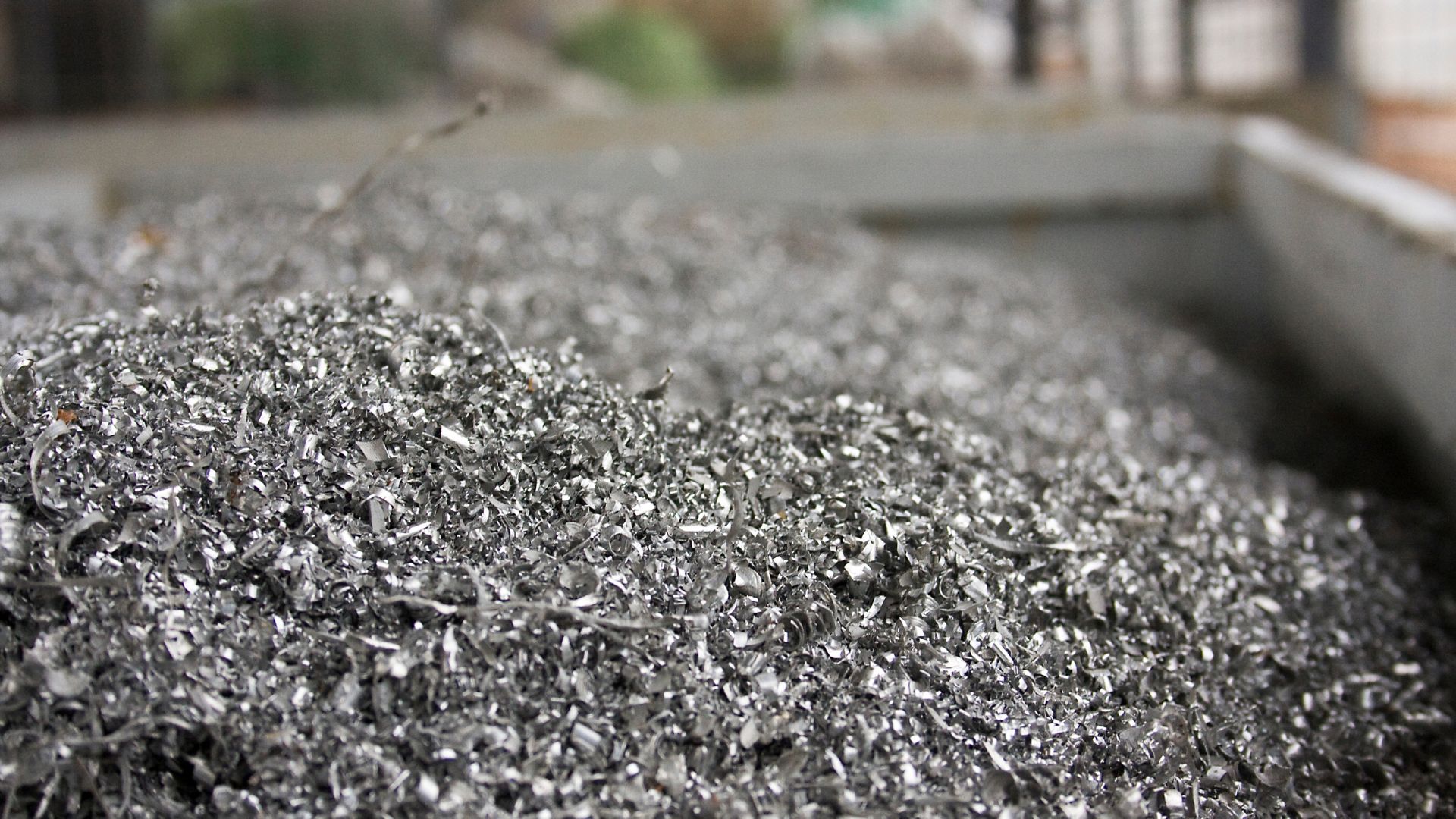
Another important aspect is the abrasiveness of dust. In many industries, the transported material acts as an abrasive, gradually wearing down plant components. This is especially true of mineral dust, metallic dust or materials containing glass or sand particles. Pipeline elbows are usually the most susceptible to wear, as this is where the direction of material flow changes. With poorly chosen solutions, the walls can be quickly abraded, loss of tightness and failure of the installation.
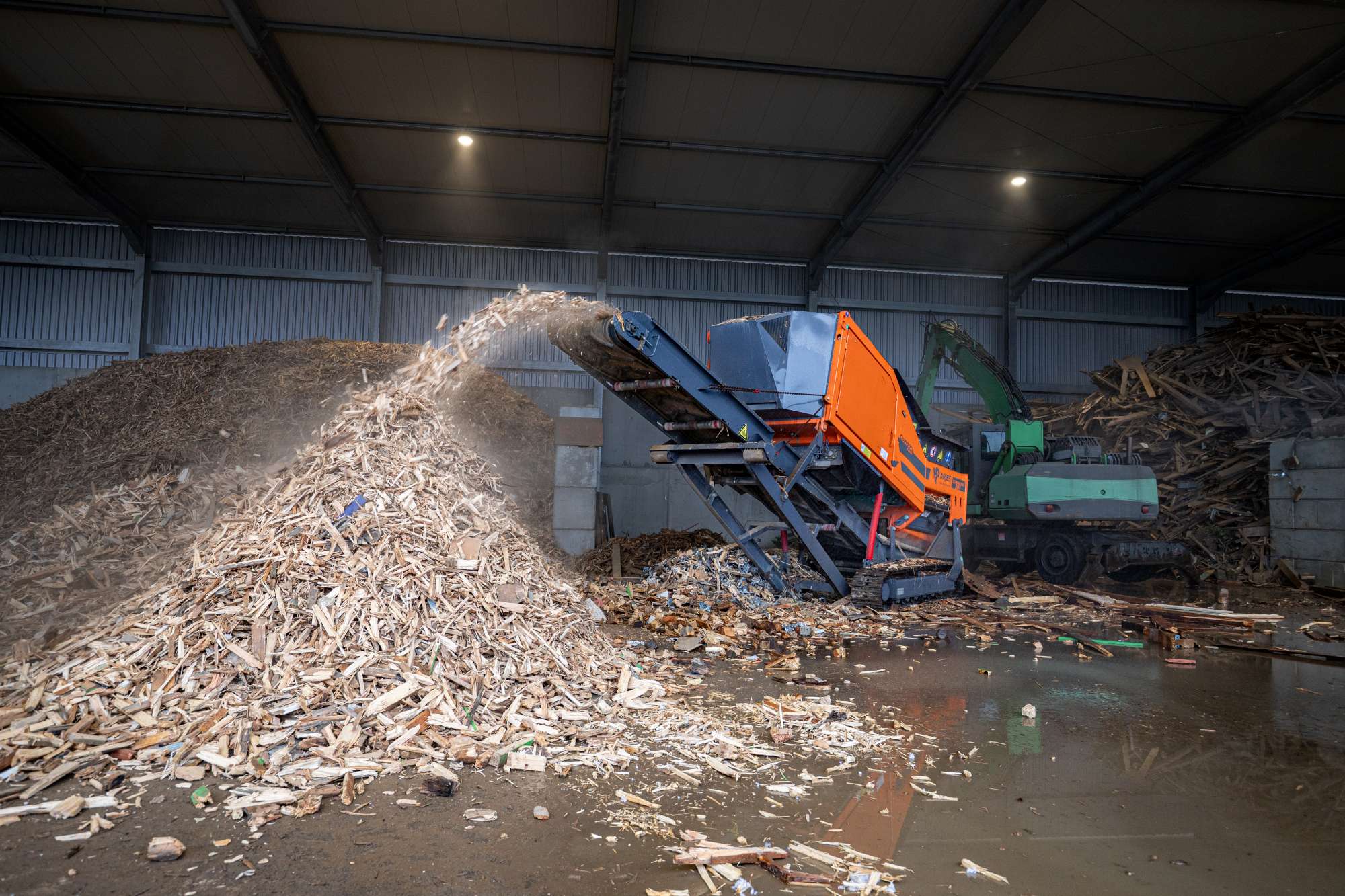
In such cases, proper design has a direct impact on the durability of the system. Key considerations include:
– selection of wear-resistant materials,
– appropriate elbow radii,
– appropriate conveying speeds,
– fan design,
– location of most stressed plant components.
With properly selected solutions, it is possible to significantly extend the life of the system and reduce maintenance costs. Abrasive dust also affects the operation of fans, causing gradual wear of impellers and deterioration of the performance of the entire system.
Explosion safety and ATEX requirements
In practice, many operational problems arise precisely from attempts to use “one-size-fits-all” dust collection systems without considering actual material properties. A system that works well in one plant may completely fail in another process. This is why an effective dust collection system should always be designed individually – based on an analysis of the process, dust parameters and plant operating conditions.
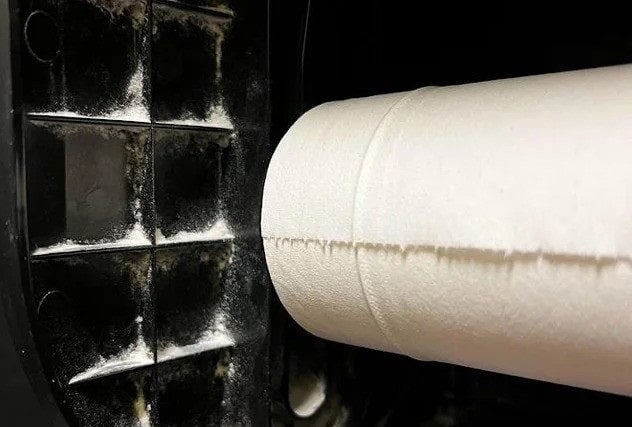
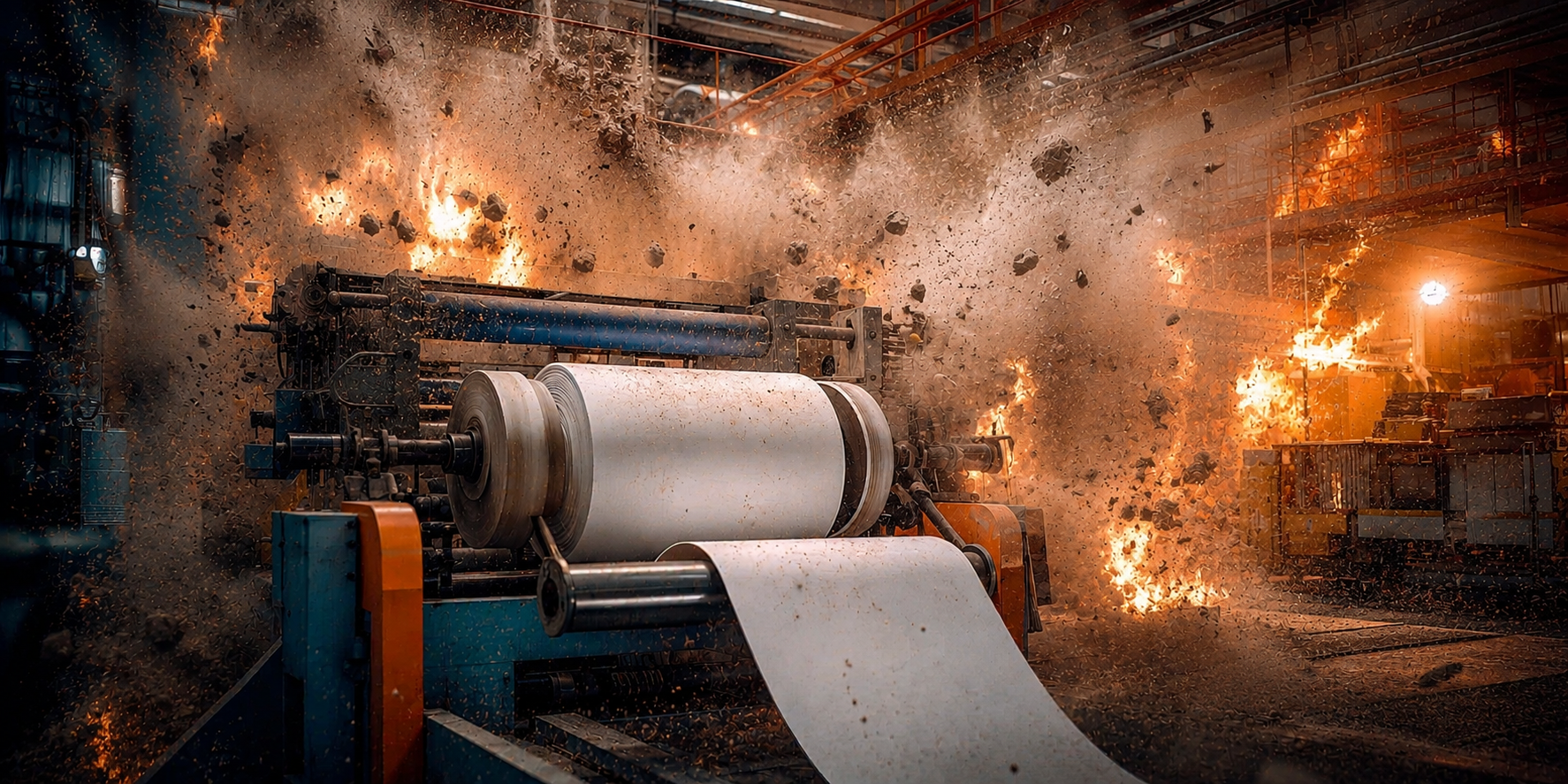
This is an area where there are no one-size-fits-all solutions. Each process requires individual risk analysis and appropriate selection of protective equipment. Explosion relief systems, explosion isolation, proper filter designs or proper plant grounding are not only part of regulatory compliance, but more importantly a key element of plant and worker safety.
Why don’t universal solutions work?
In practice, many operational problems arise precisely from attempts to use “one-size-fits-all” dust collection systems without taking into account actual material properties. A system that works well in one plant may completely fail in another process. This is why an effective dust collection system should always be designed individually – based on an analysis of the process, dust parameters and plant operating conditions.
At NEU-JKF, we have been approaching plant design in just this way for years. We analyze not only the performance of the system, but also the behavior of the material under actual operating conditions. This allows us to design installations that are stable, safe and durable, providing effective dust collection for many years of operation.
Summary
In dust collection engineering, details really do matter. It is the properties of the dust that very often determine whether an installation will operate reliably or become a source of constant technological problems and costly downtime.
A well-designed dust collection system is not a one-size-fits-all solution. It is the result of experience, knowledge of the technological process and the ability to adapt the installation to the actual working conditions. This is precisely the approach we have been developing for years at NEU-JKF, designing dust collection systems tailored to the needs of modern industry.
Want to check out a solution for your facility?