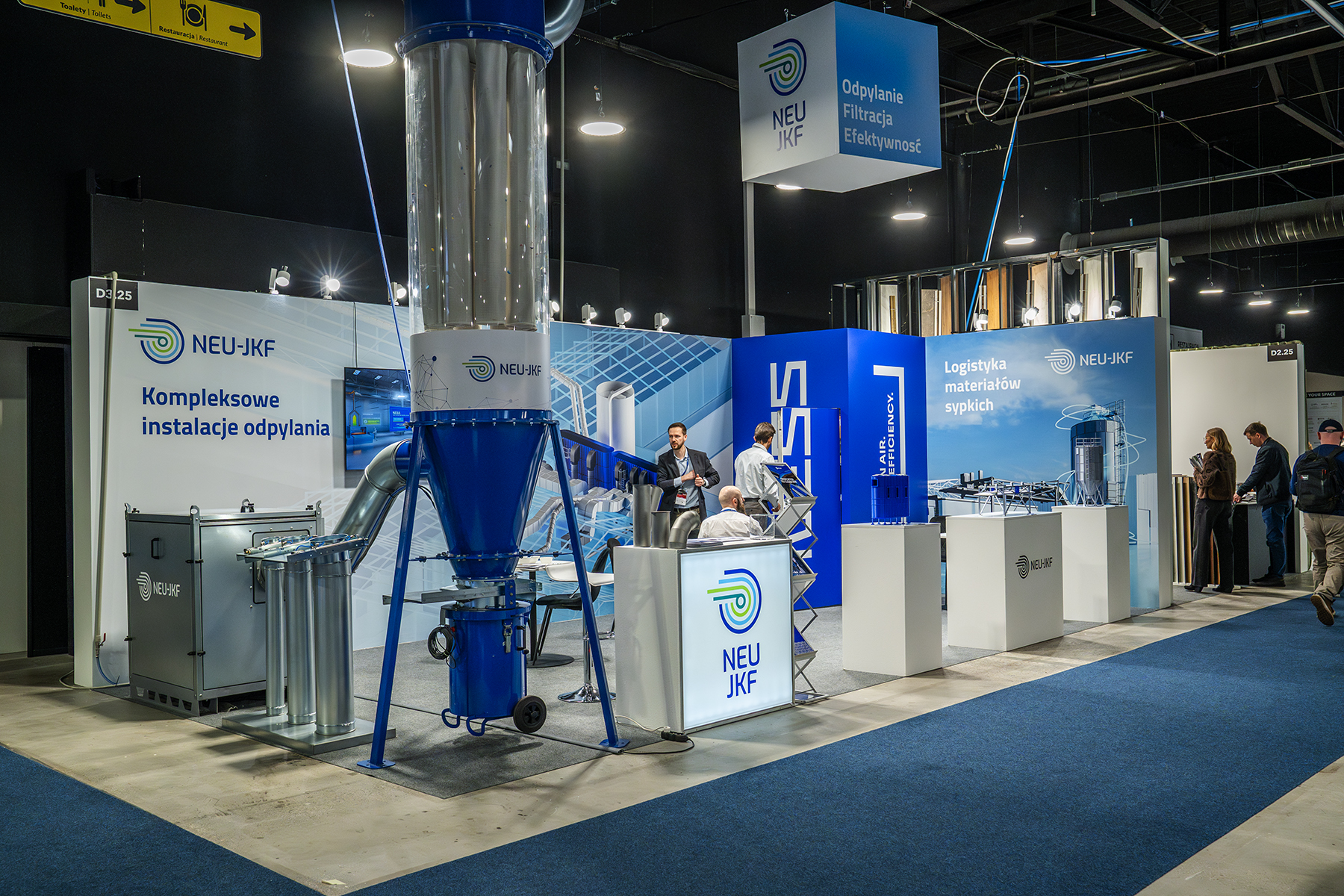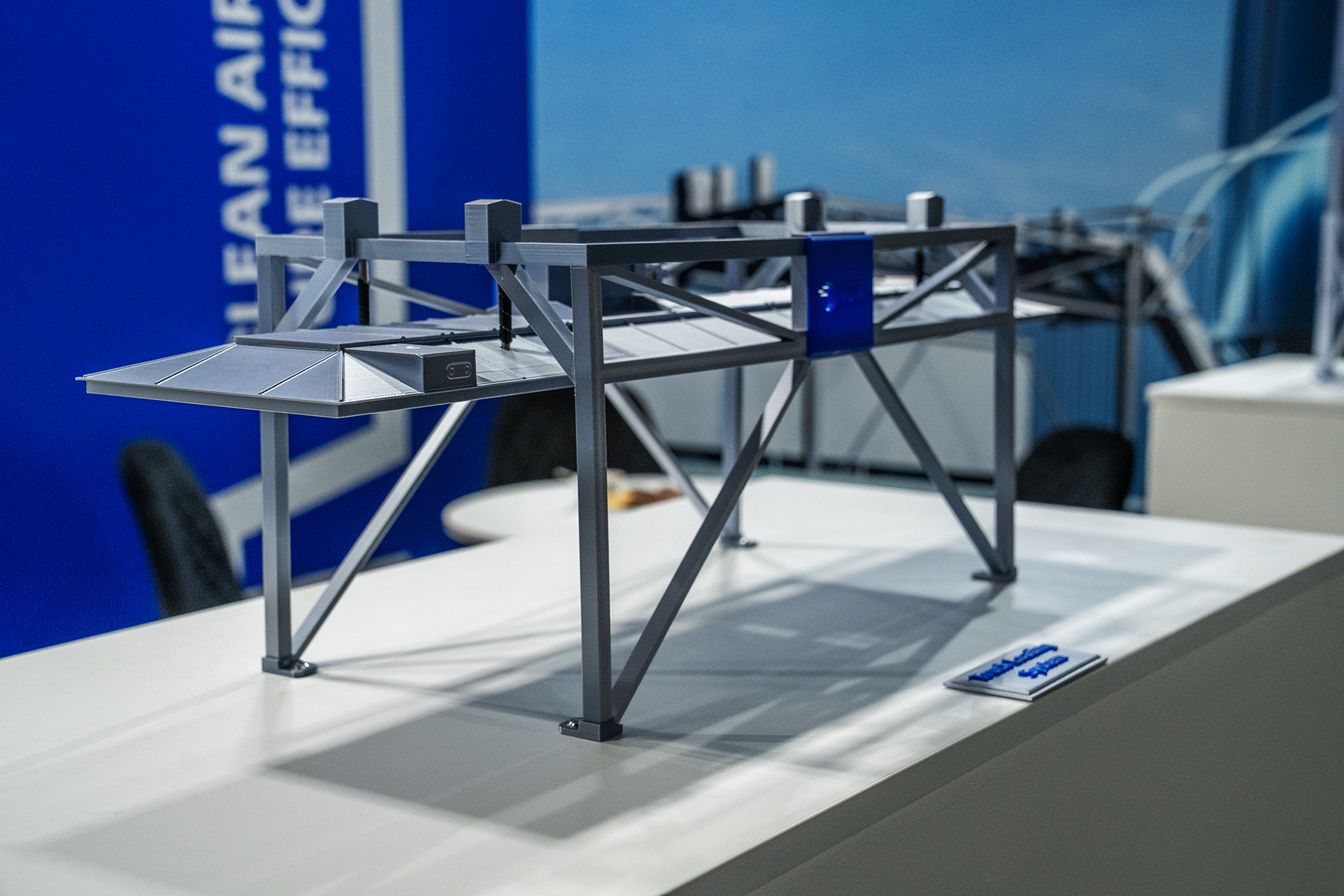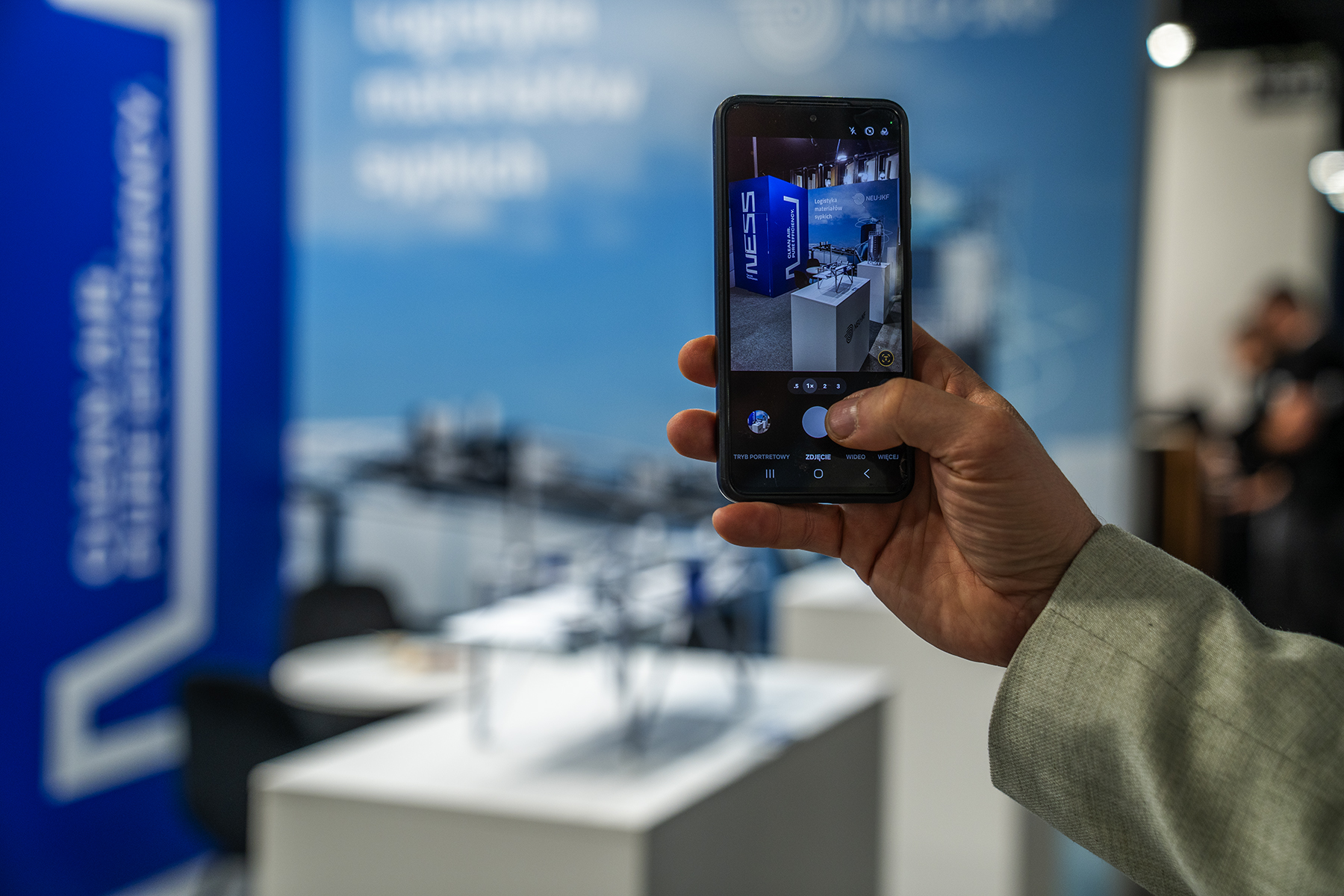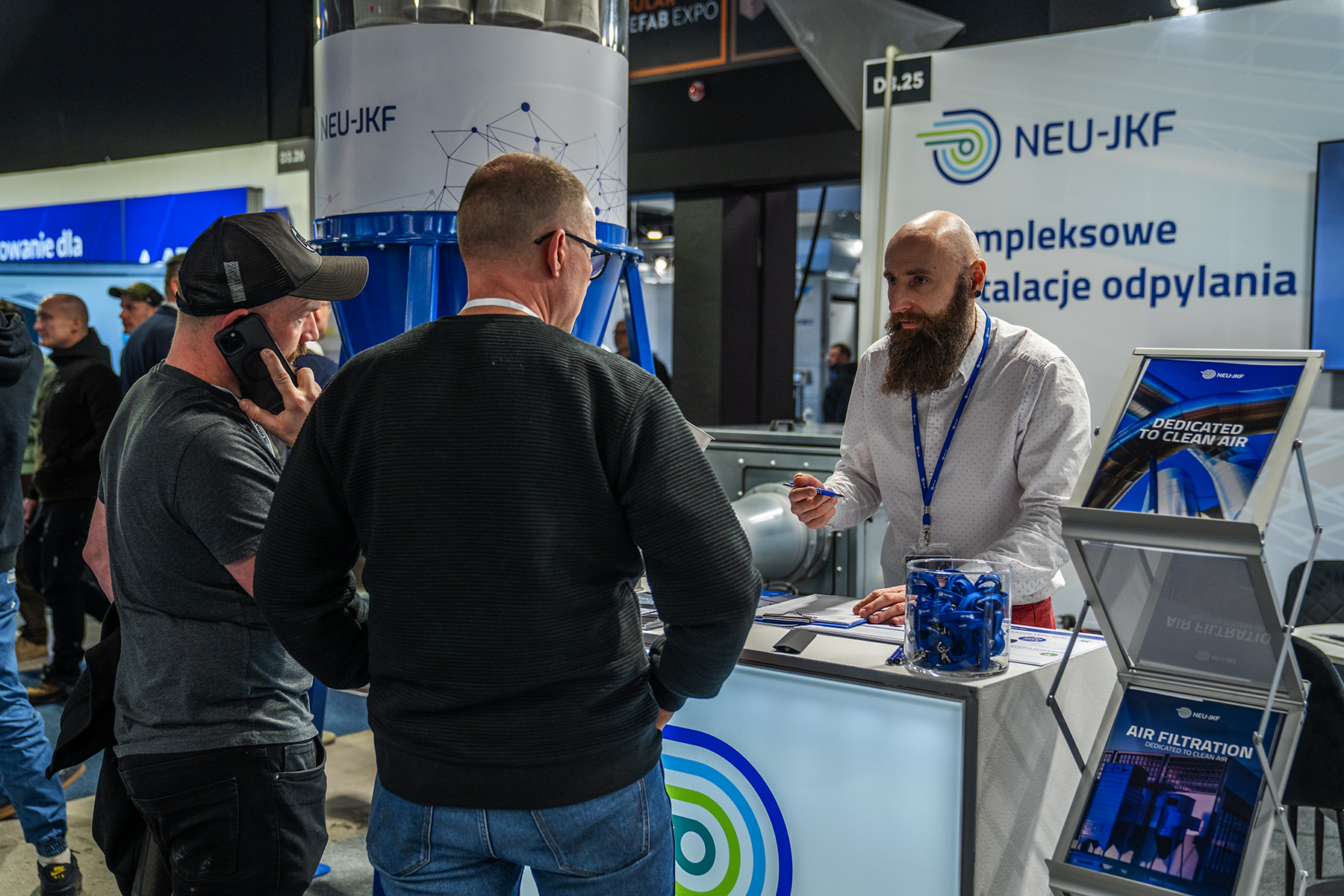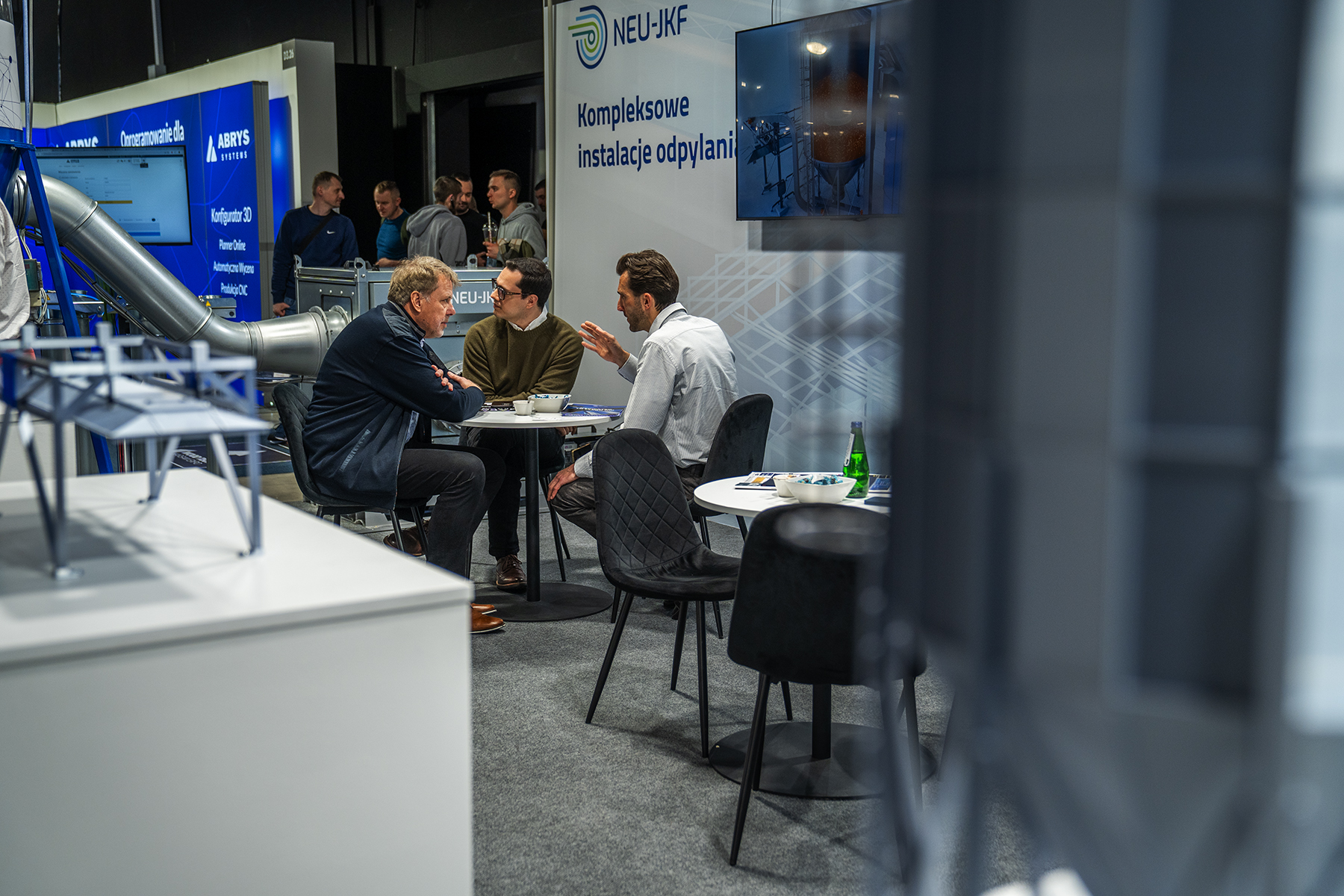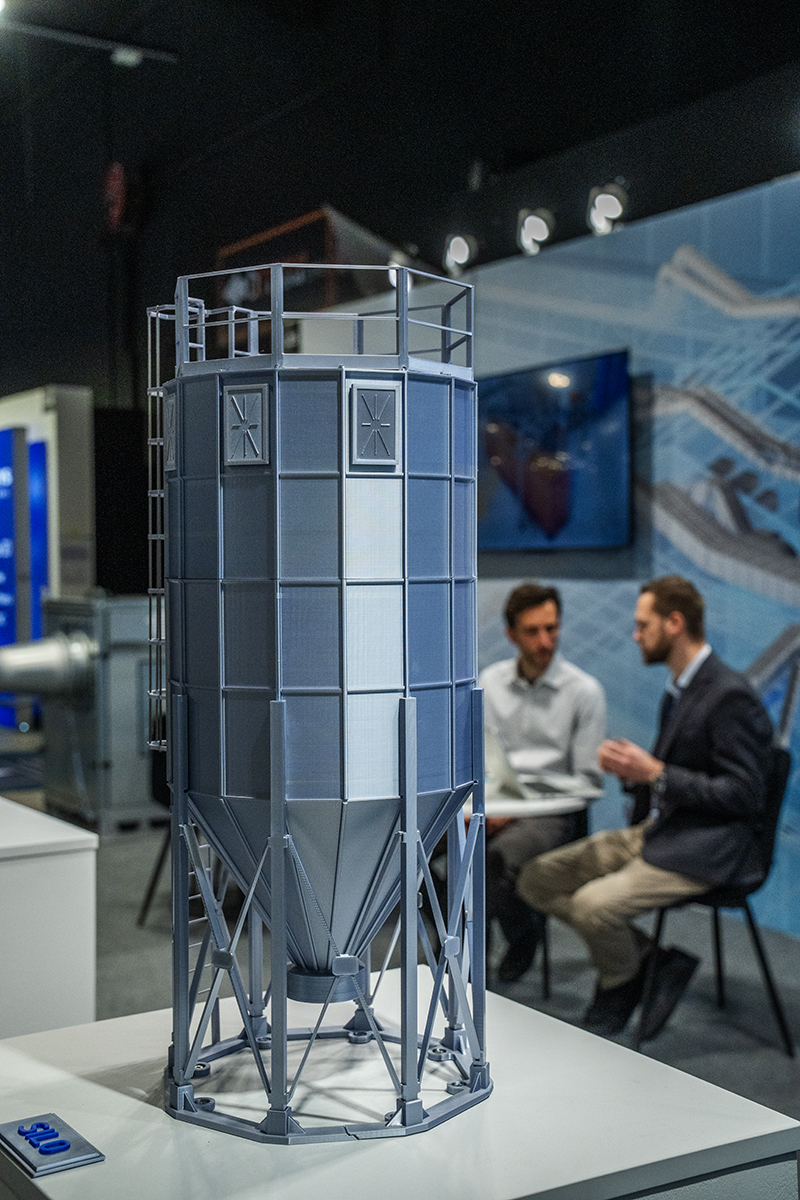

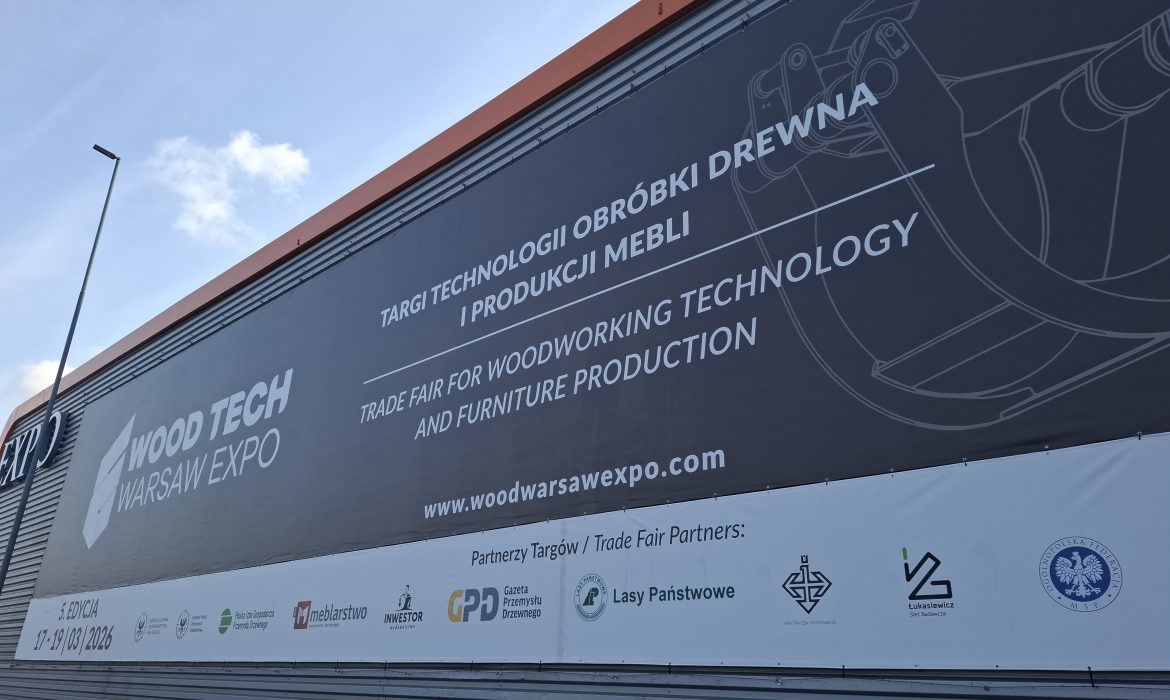
NEU-JKF’s participation in Wood Tech Warsaw Expo 2026 was not only an opportunity for us to meet with customers and business partners, but also an important moment to observe how the wood and furniture industry is changing today.
This year’s event confirmed that the sector is at a clear point of transformation. On the one hand, companies are facing cost pressures, increasing efficiency requirements and the need to optimize processes. On the other, they are investing more and more boldly in technologies designed to give them greater predictability, security and competitiveness.
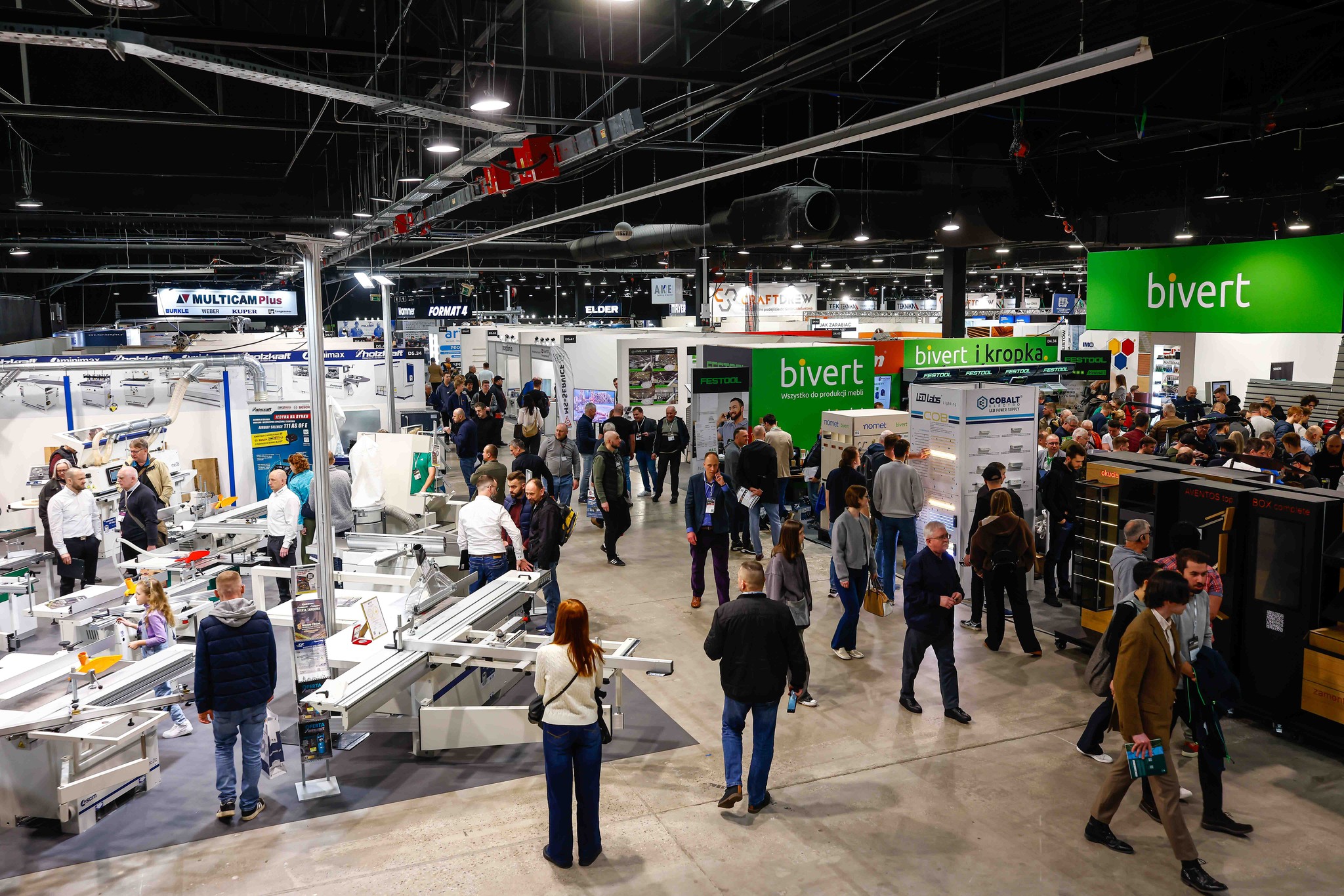
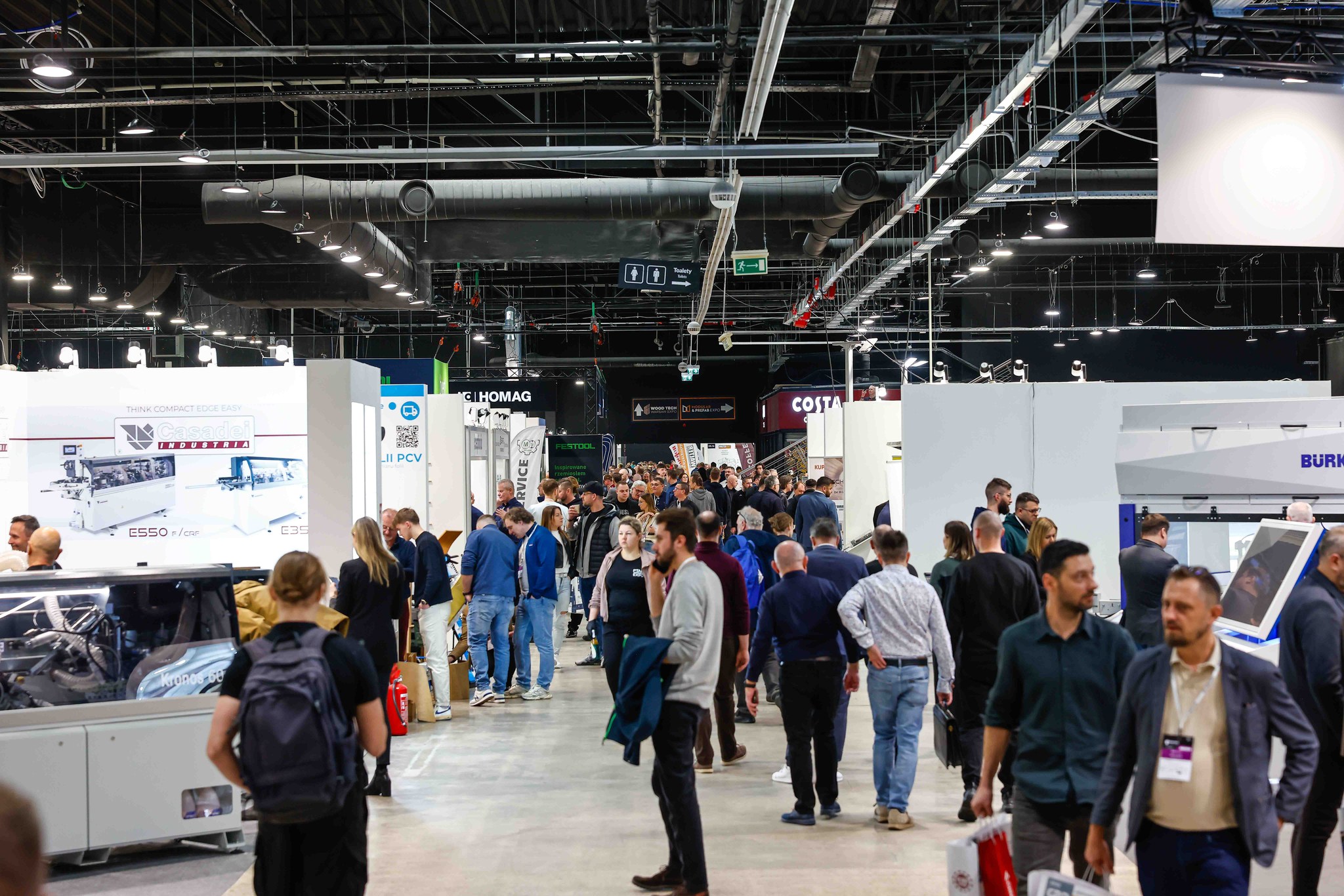
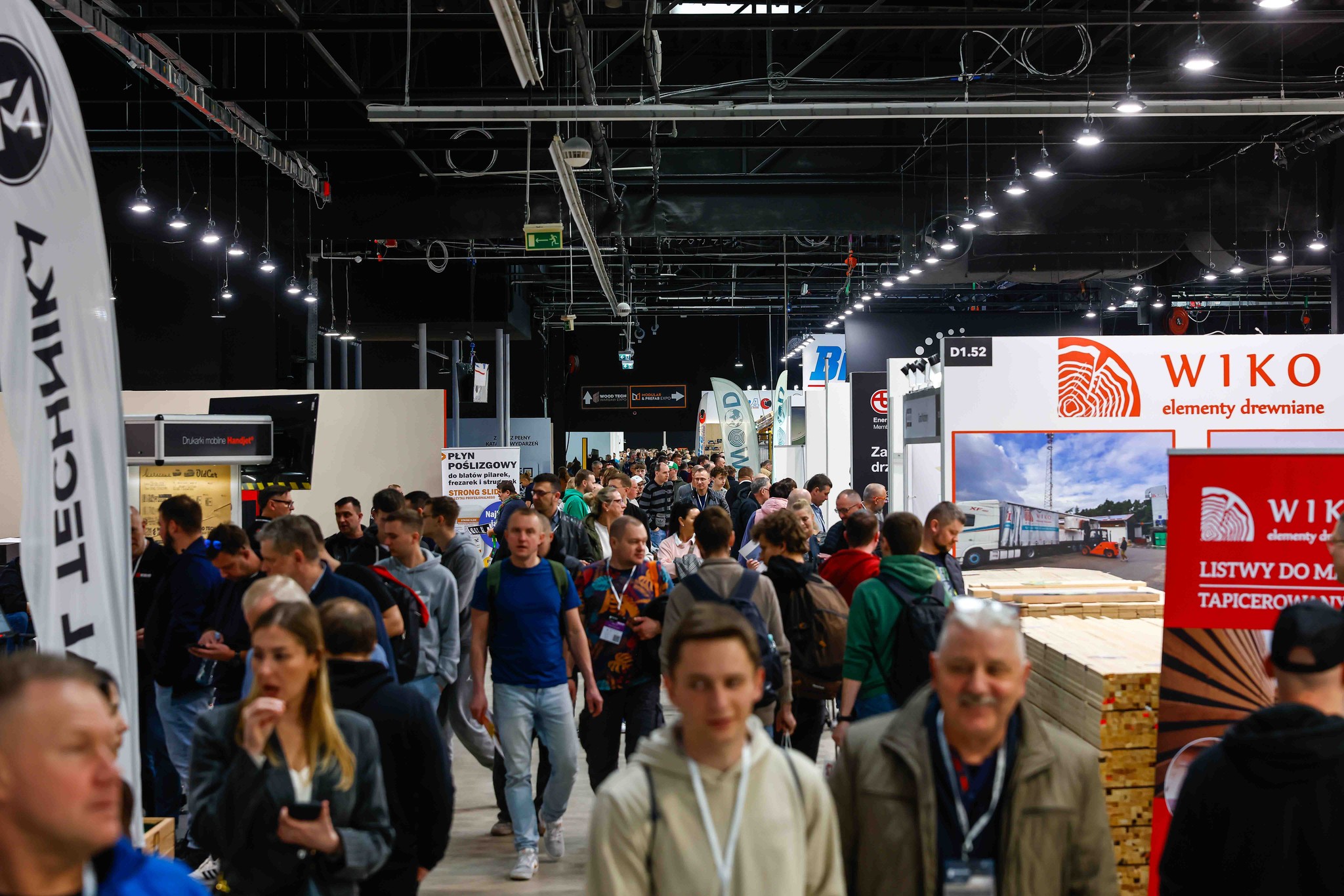
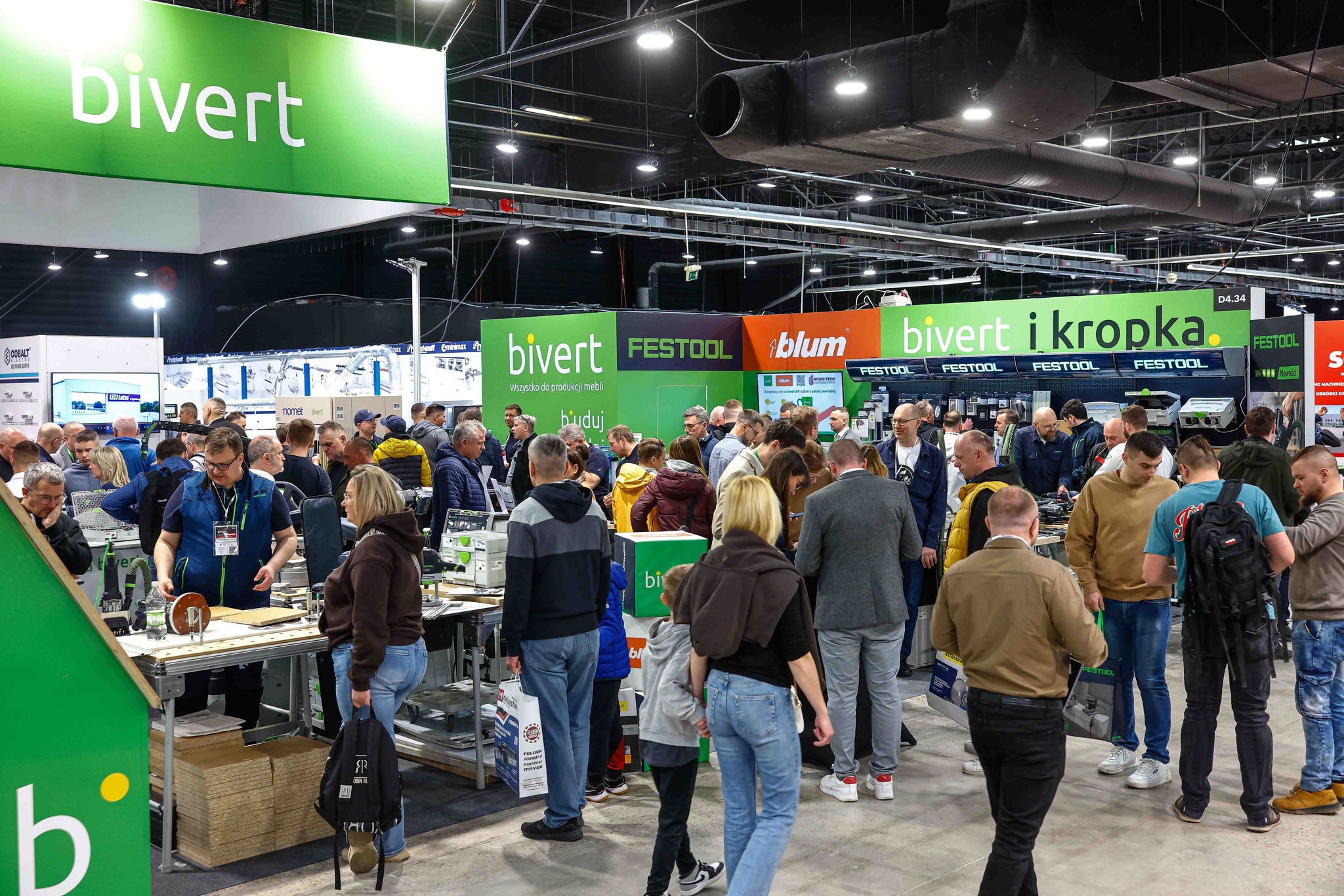
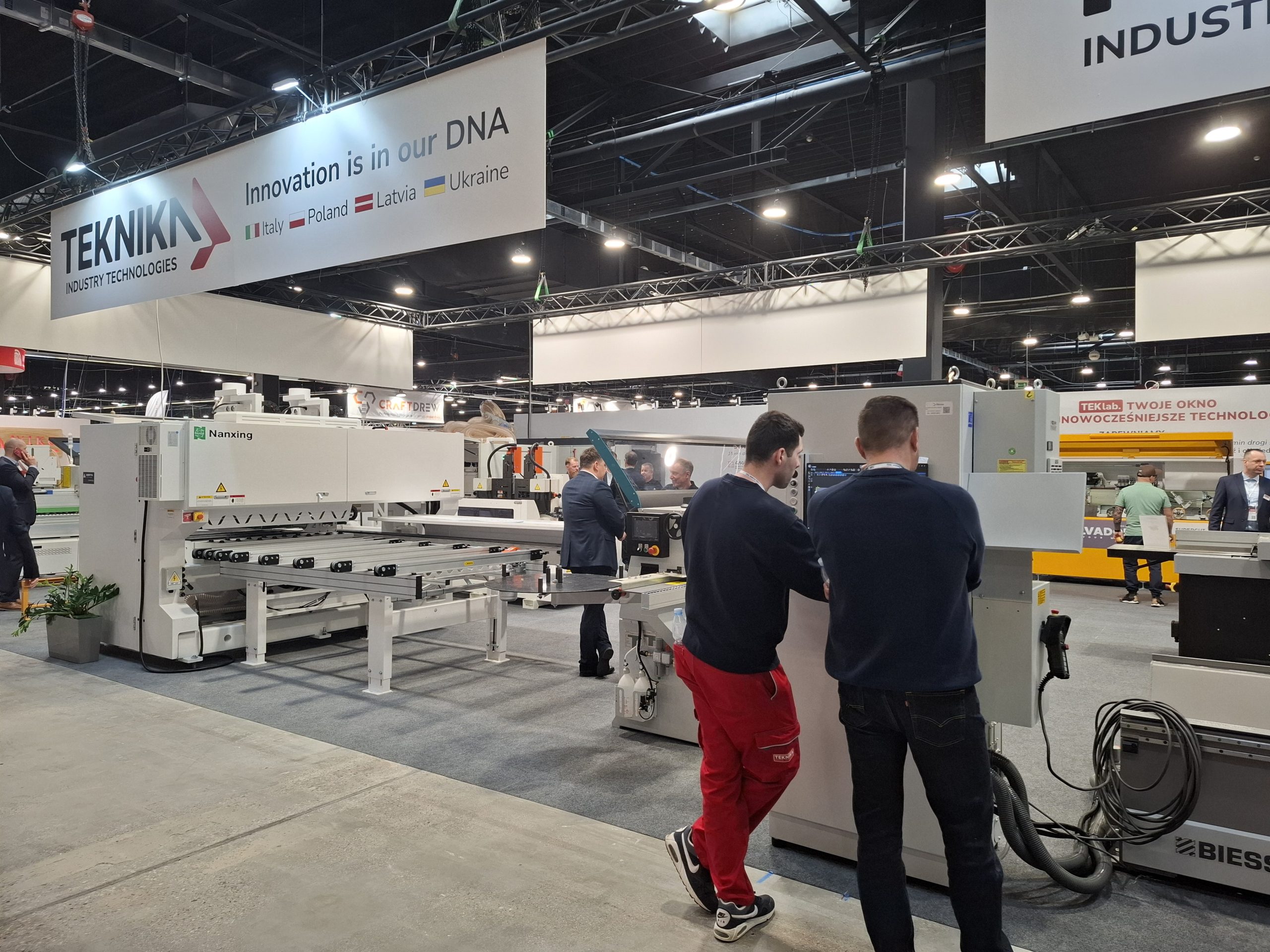
Wood Tech Warsaw Expo 2026 features 27,000 sq m of exhibition space, 182 exhibitors, and 12,043 during 3 days of intensive industry meetings. This year’s edition brought together market representatives from 31 countries, presenting a cross-section of the latest technologies for the wood and furniture industry.
Trade fairs as a market barometer
Wood Tech Warsaw Expo once again showed that industry fairs are no longer just spaces for exhibiting machinery and equipment. They are increasingly playing the role of a barometer of market sentiment and investment directions.
The exhibition halls offered solutions to the most important needs of modern manufacturing:
– automation and robotization of processes,
– development of CNC machining centers,
– digital production management,
– efficiency monitoring systems,
– technologies supporting energy and material savings,
– solutions improving safety and work organization.
These are the areas that most strongly define the development of manufacturing facilities today – both in the woodworking and furniture segments. Organizers and industry media emphasized that the market is increasingly shifting toward solutions that are practical, scalable and have a quick operational effect.
The industry is maturing technologically
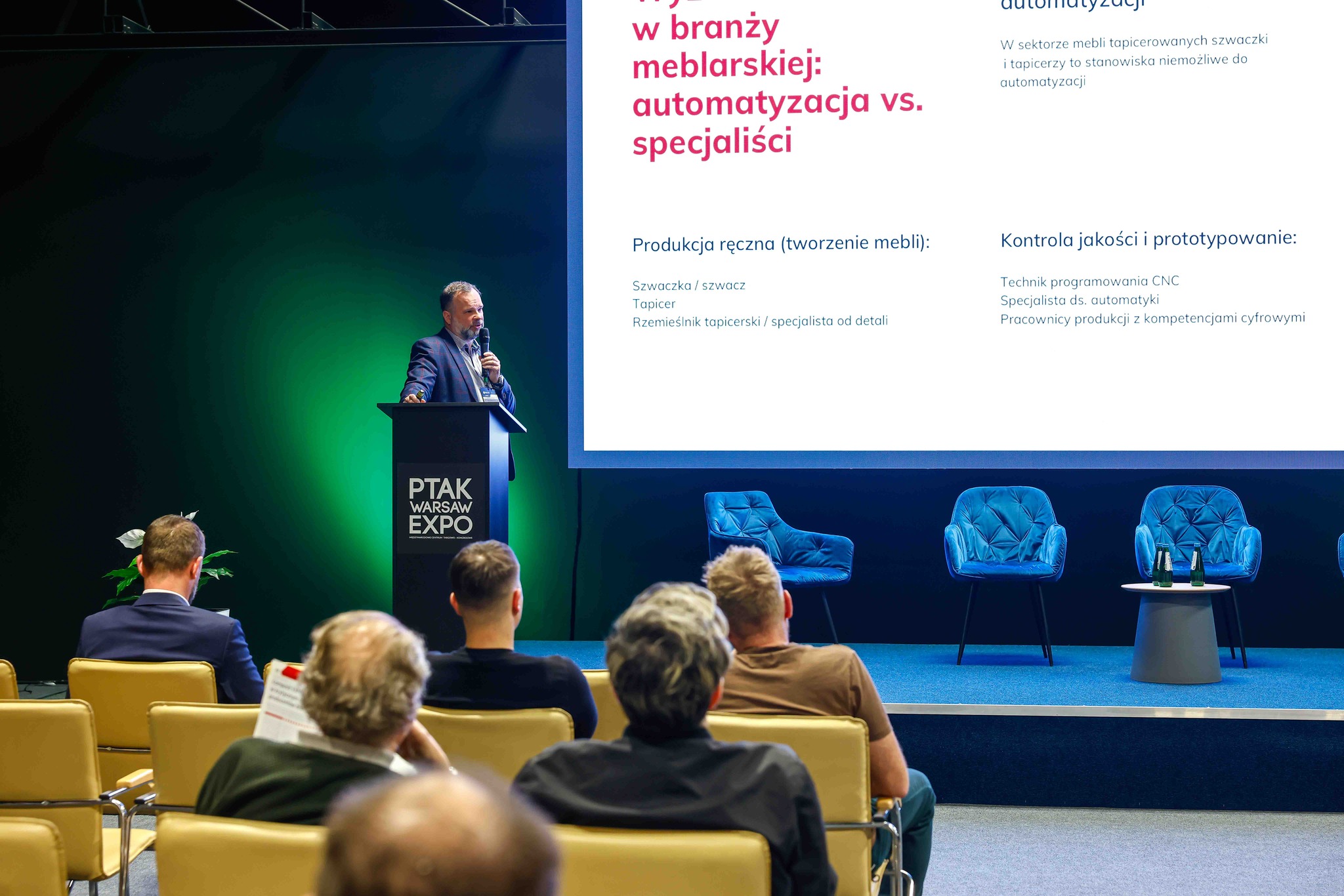
One of the strongest conclusions after the fair is that automation is no longer a “future” topic. For many companies today it is becoming a business necessity.
This is primarily influenced by:
– rising labor costs,
– the need to increase productivity without a commensurate increase in employment,
– higher quality demands from customers,
– pressure to reduce material losses and downtime.
It was clear at the show that companies are increasingly looking not for individual pieces of equipment, but for cohesive, integrated manufacturing systems. Solutions that can monitor the process in real time, better manage material flow and make decisions based on data rather than solely on operator experience are playing an increasingly important role.
This shows that the wood and furniture industry is entering a stage of greater technological maturity. Investments today are no longer just a response to company growth, but also a way to maintain company stability in an increasingly challenging market environment.
Performance and security getting closer together
The second very clear trend present at Wood Tech Warsaw Expo 2026 was combining the topics of productivity, ergonomics and safety of the working environment.
Only a few years ago, issues related to the technical infrastructure of a plant – such as dust management, process air quality, dust collection or filtration – were sometimes seen as areas that “support” production. Today, they are increasingly treated as a critical element for the stability of the entire process.
This is a change that is very important from the perspective of manufacturing companies.
A modern plant can no longer be solely fast – it must also be:
safe,
predictable,
energy-efficient,
compliant with environmental and organizational requirements.
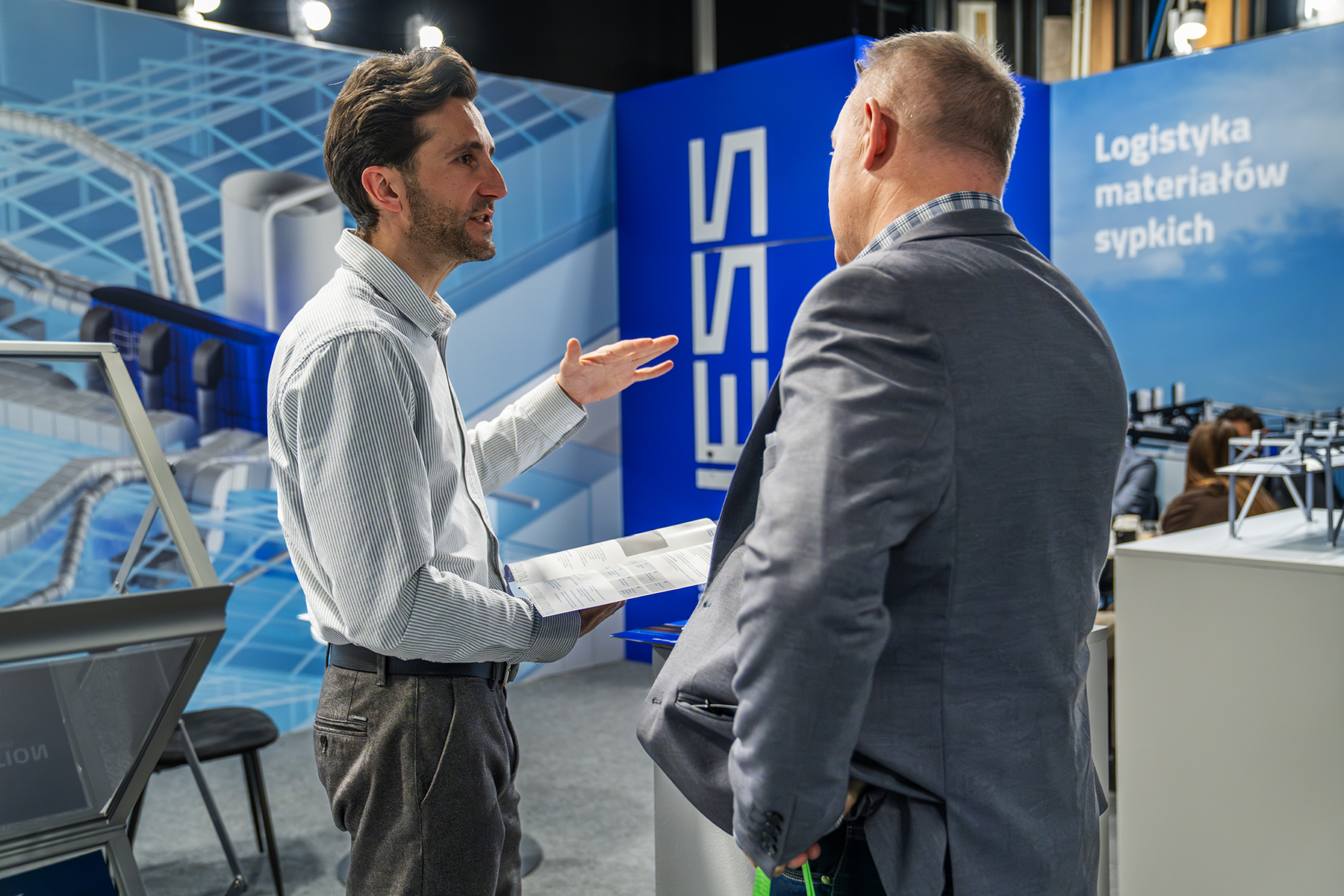
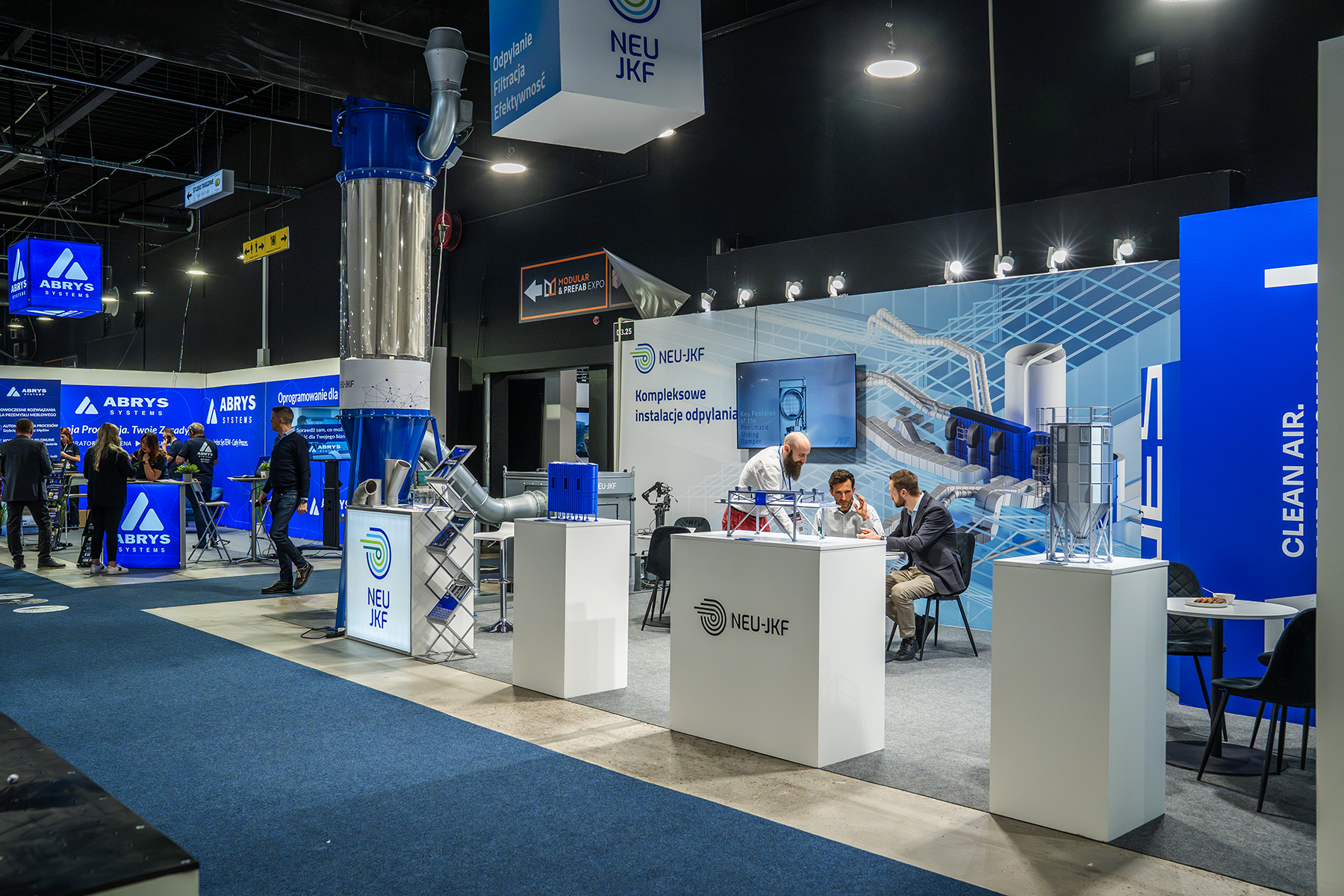
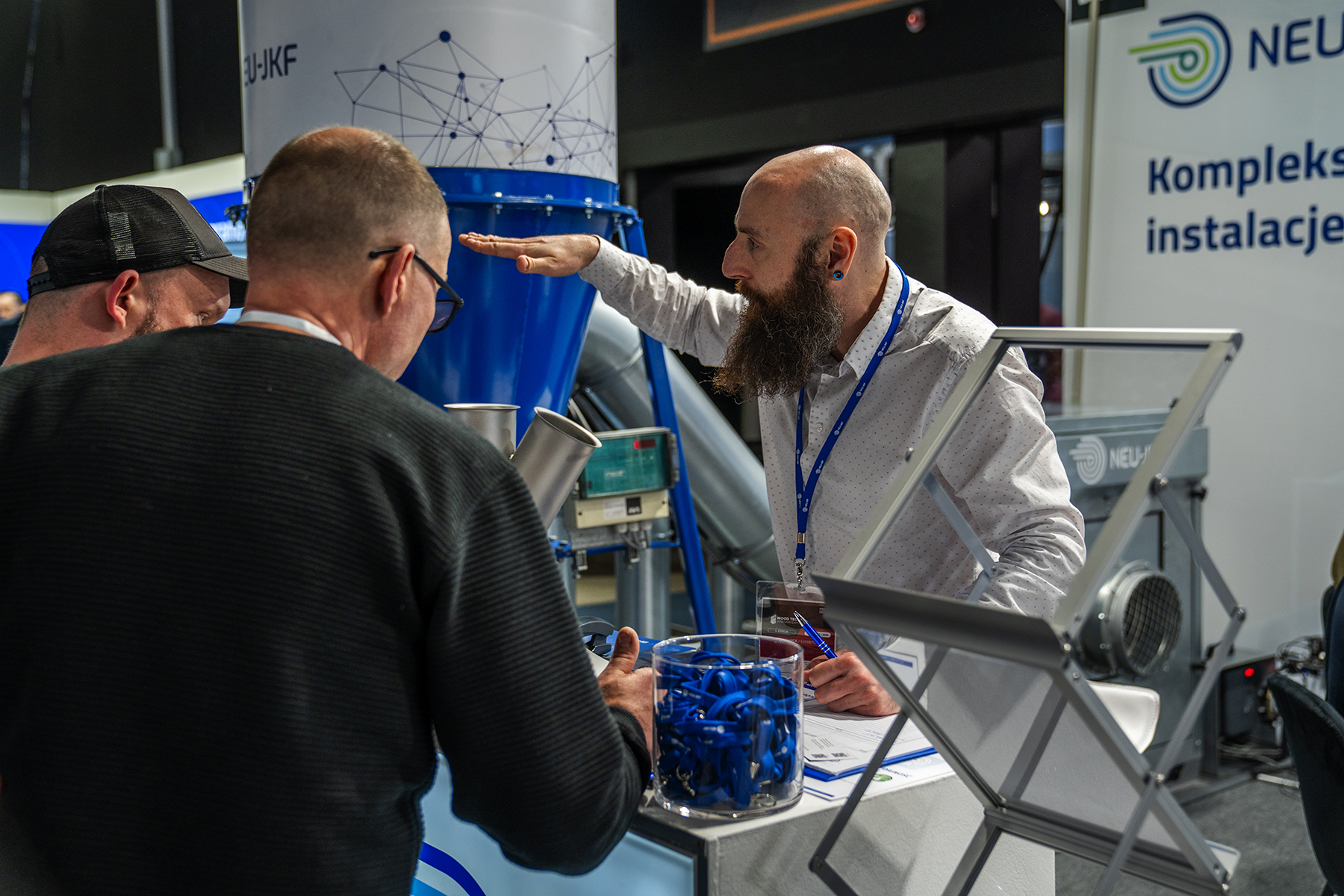
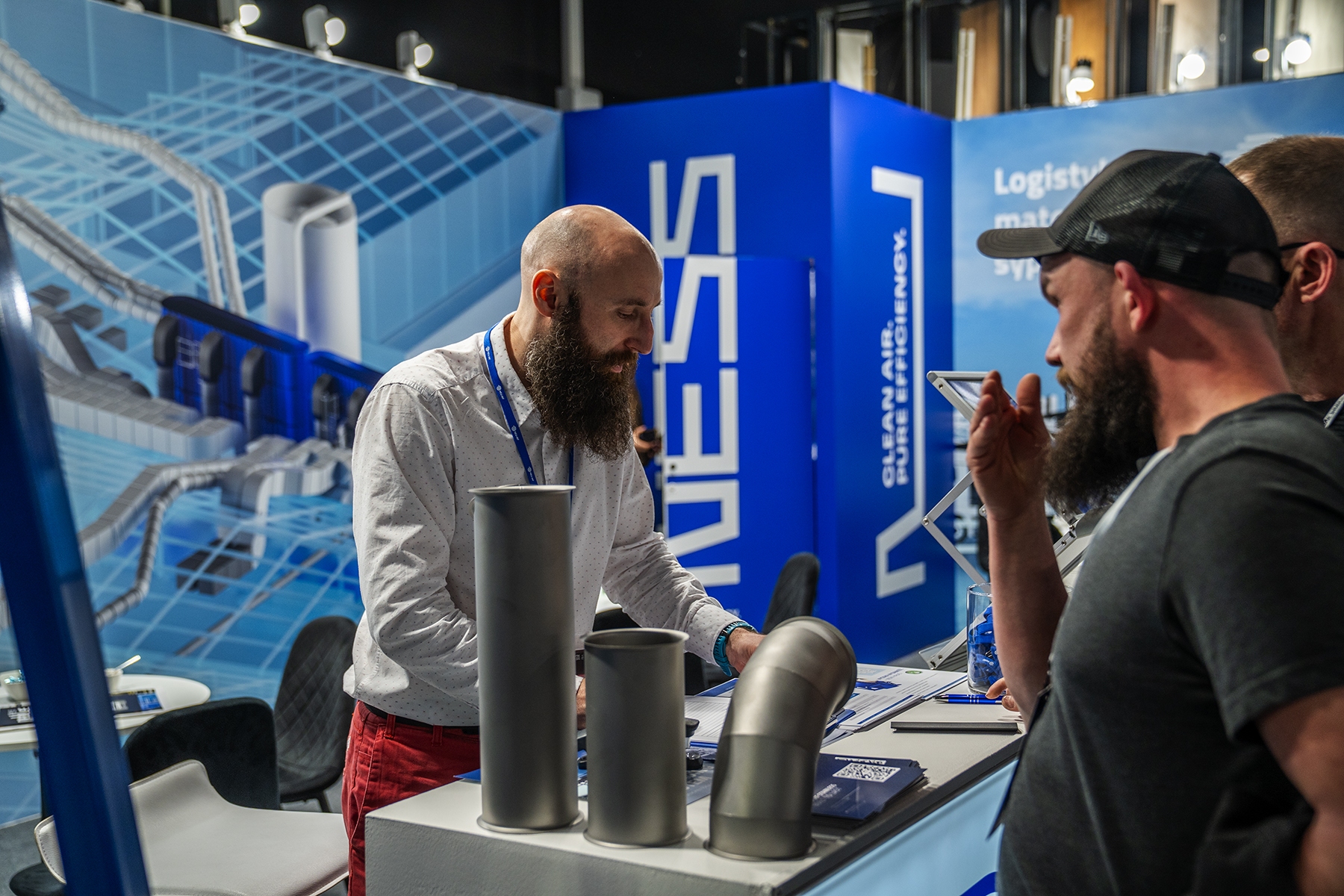
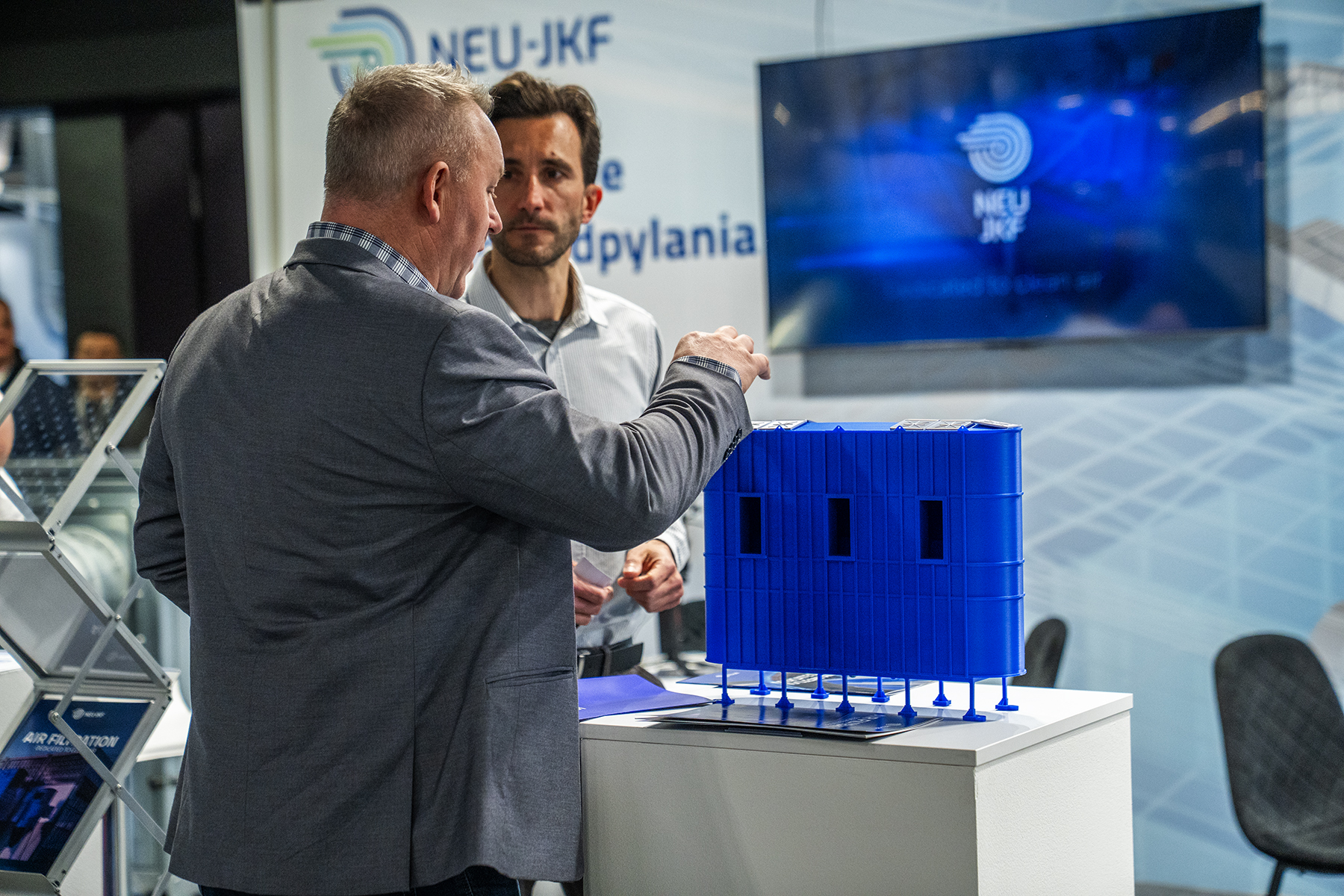
During our discussions at the NEU-JKF booth, we clearly saw that companies today are looking for solutions that don’t just “handle the process,” but make a real difference in the continuity of production, comfort of work and quality of plant management.
Investments are getting more thoughtful
From an exhibitor and event attendee perspective, it was also particularly apparent that the market is maturing in terms of investment.
Companies visiting the show are increasingly coming with very specific questions:
How to reduce downtime?
How to reduce operating costs?
How to improve infrastructure reliability?
How to better prepare the plant for future production and environmental requirements?
This is an important development. It means that investment decisions today are increasingly made not only in terms of the purchase of the machine itself, but in relation to the entire manufacturing ecosystem.
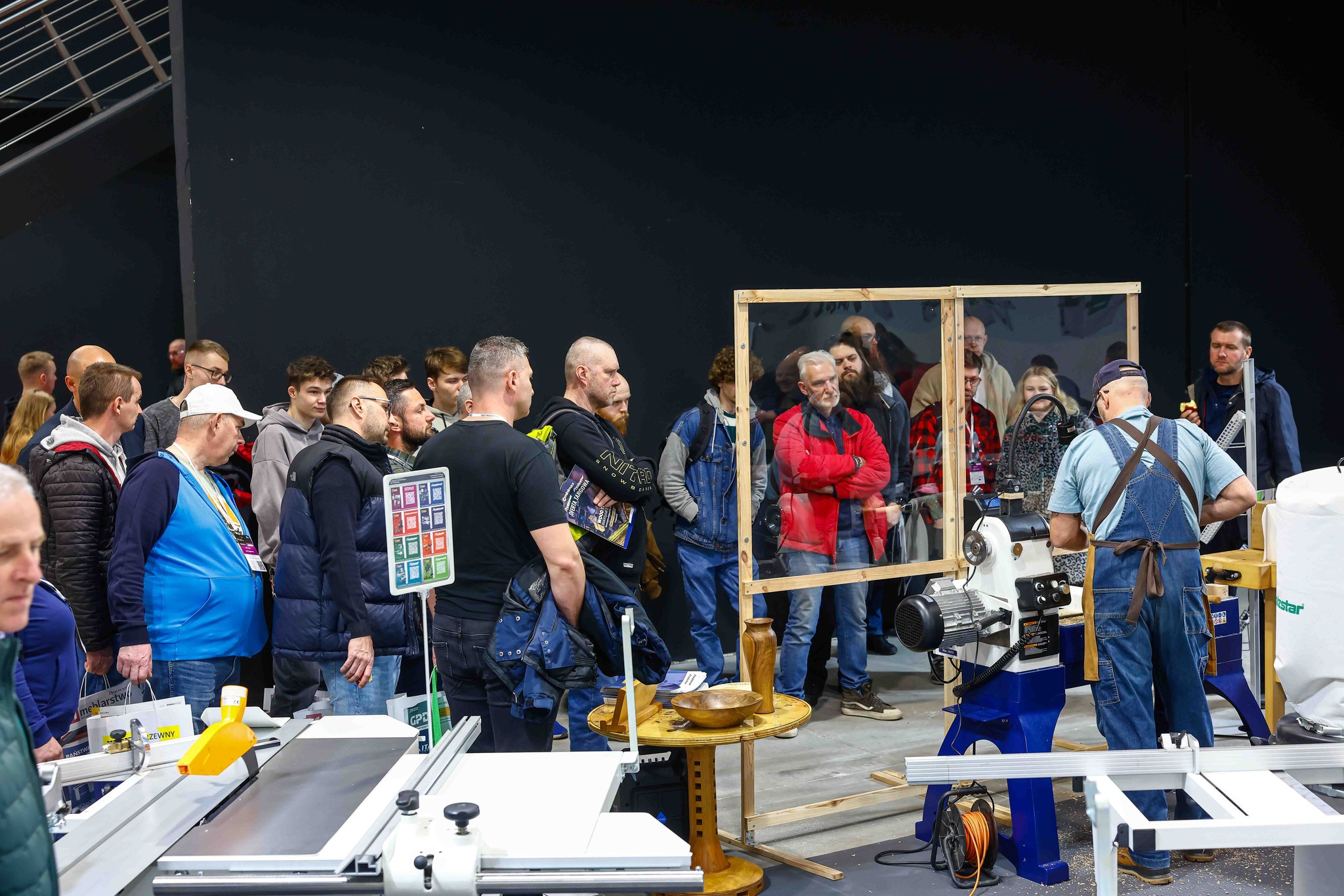
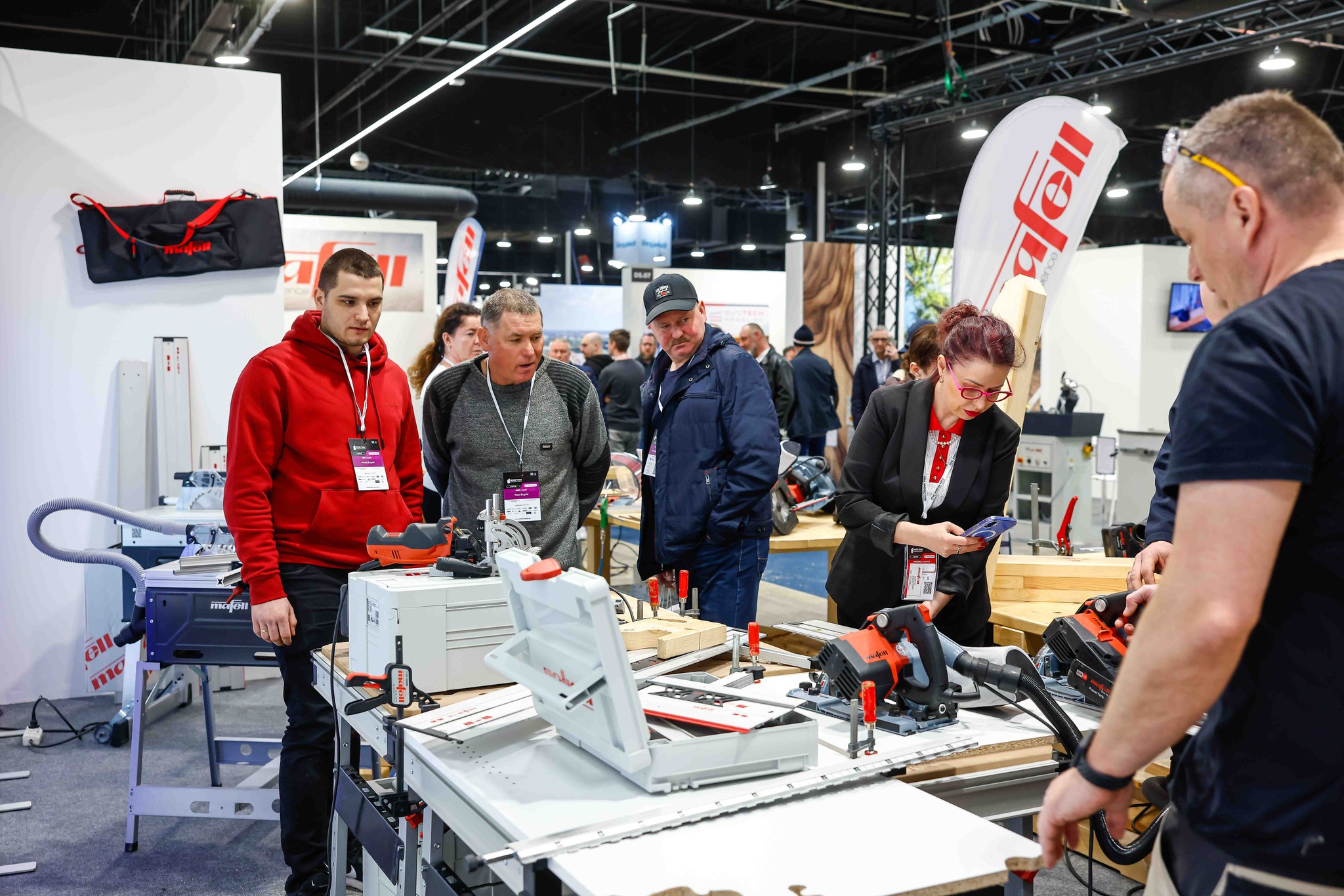
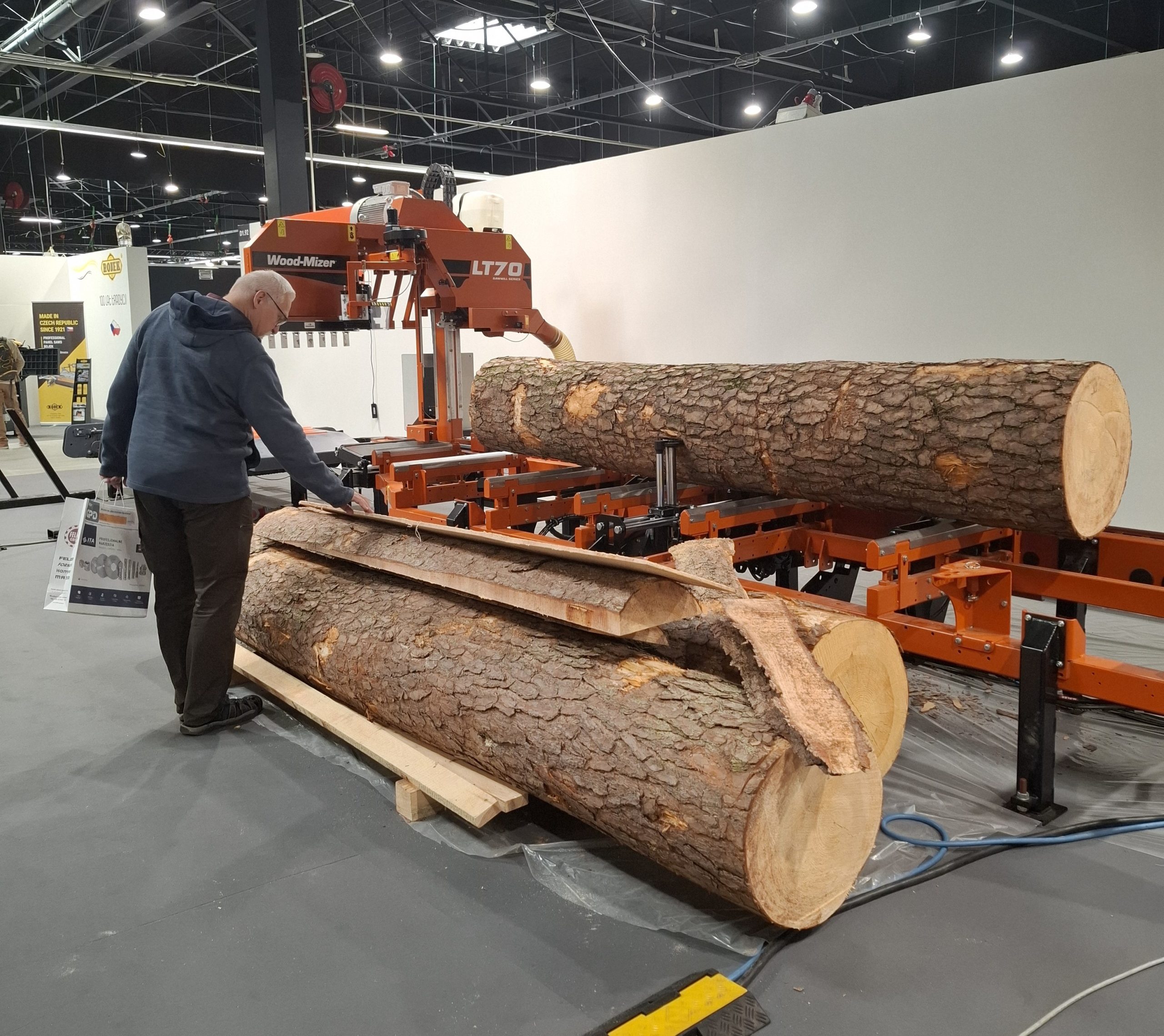
This is why trade fairs such as Wood Tech Warsaw Expo are gaining importance. They allow to see technologies in practice, compare suppliers’ approaches and confront investment assumptions with real solutions available on the market. The growing business dimension of the event and the high attendance also resonated strongly in the materials following the previous editions, confirming its increasingly strong position on the map of industry meetings.
What does this mean for the industry?
After this year’s fair, it can be said quite simply: the industry is not standing still. Despite the difficult market environment, it is not focused solely on survival, but is increasingly looking for ways to build an advantage through technology.
The most important directions that were seen at Wood Tech Warsaw Expo 2026 were:
greater automation of processes,
development of digital supervision of production,
increase in importance of energy efficiency,
investment in stability and reliability of infrastructure,
increasing role of solutions supporting safety and organization of work..
For manufacturers, this means one thing: competitiveness will increasingly depend on the quality of processes, rather than solely on the scale of operations.
Thank you for meeting us at the NEU-JKF booth
Wood Tech Warsaw Expo 2026 was a very valuable event for NEU-JKF – both from a business and industry perspective.
We would like to thank everyone who visited our booth, shared their experiences and talked with us about the challenges facing modern manufacturing facilities.
We return from the fair with the conviction that the future of the industry will belong to companies that can combine efficiency, safety, environmental responsibility and a modern approach to production organization.