

28.02.2025
In industries where there is a risk of explosive atmospheres caused by dusts, gases or vapors, ensuring safety is crucial. Such conditions are governed by ATEX directives, which set safety standards for equipment and systems operating in explosive atmospheres.
What is ATEX?
ATEX stands for the French “ATmosphères EXplosibles,” or explosive atmospheres. It is the collective name for the European directives governing the requirements for equipment and protective measures used in such zones.
Why is ATEX important?
Many industries such as:
– chemical,
– pharmaceutical,
– food,
– wood,
– recycling
explosive mixtures can occur during production processes. ATEX helps minimize the risk of explosions, protect workers and safeguard industrial plants from the catastrophic effects of explosions.
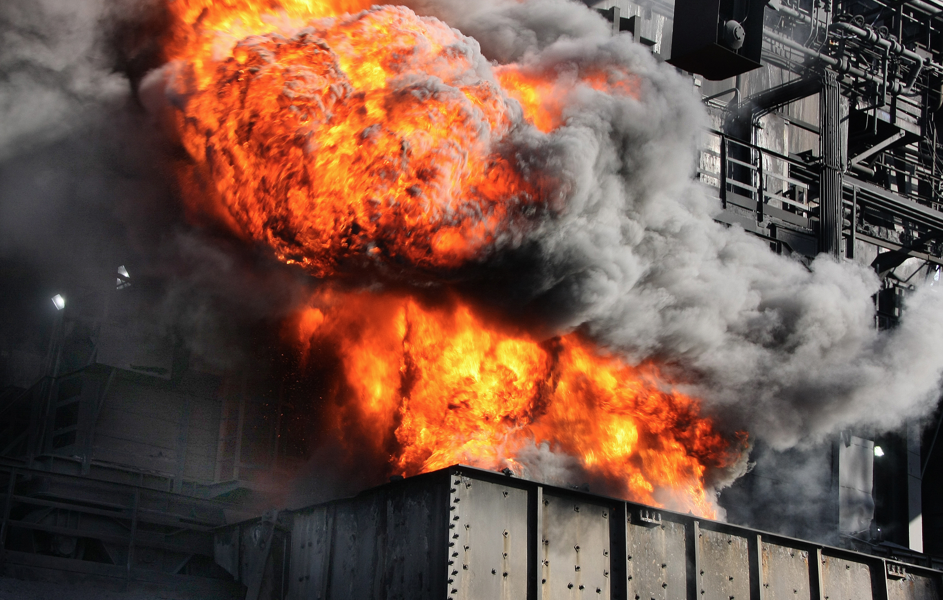
ATEX Directives
There are two key directives within ATEX:
ATEX 114 (2014/34/EU)
Addresses technical requirements for equipment and protective systems used in potentially explosive atmospheres. Specifies rules for the design, manufacture and certification of such equipment to ensure its safe use.
ATEX 153 (1999/92/EC)
Focuses on safety in workplaces. The directive requires employers to assess risks, classify hazardous areas and implement appropriate preventive measures.
Benefits of ATEX compliance
Adherence to ATEX guidelines allows you to:
– ensure safe working conditions,
– comply with European legal standards,
– reduce the risk of costly failures and production downtime.
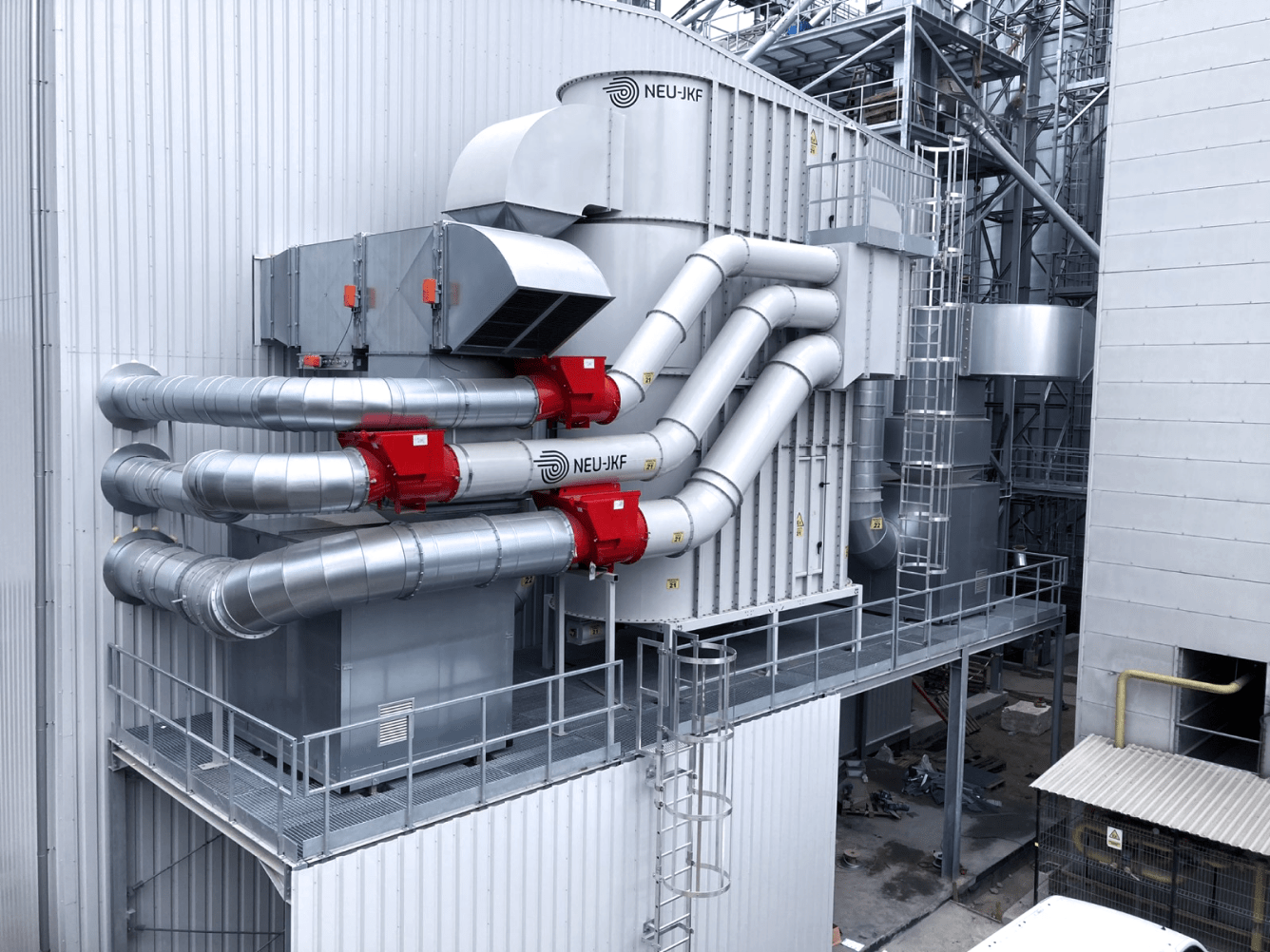
ATEX in practice
ATEX is not just a regulation, but more importantly a key to industrial safety. By implementing ATEX-compliant equipment and procedures, it is possible to effectively minimize the risk of explosion, protect employees and ensure the continuity of production facilities.
Companies operating in explosive atmospheres should use appropriately certified equipment such as filters, valves or explosion containment systems. NEU-JKF Ltd. specializes in providing ATEX solutions, offering products that meet the highest industry standards.